
01 / The challenge
Hot bearings kept interrupting compressor operation.
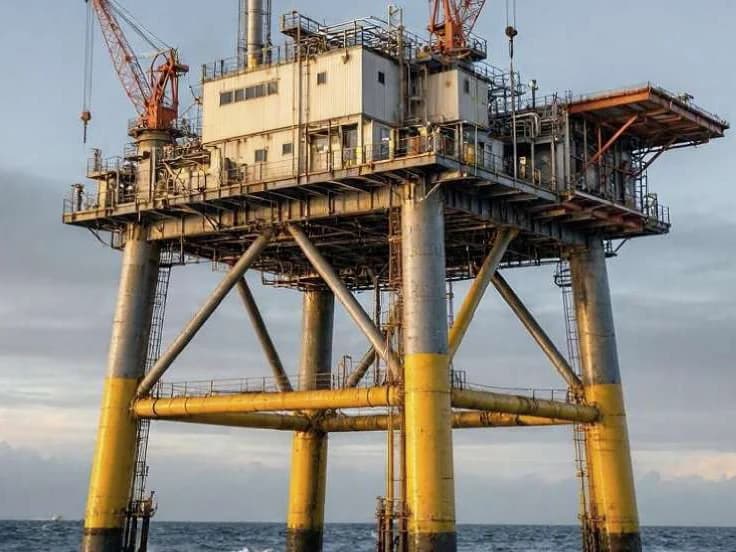
On a fixed-leg offshore platform west of Shetland, a MAN screw compressor began experiencing rising bearing temperatures. The temperature increases progressed to compressor trips, interrupting operation when the protection system reached its limits.
The investigation identified varnish deposits on the bearing surfaces. Those deposits restricted heat transfer, allowing the bearings to run hotter. That made varnish removal central to restoring stable operation.
Offshore maintenance made a conventional oil replacement more difficult. Draining, supplying and disposing of a large oil charge would have added downtime and logistical work. The team selected a treatment that could reach the deposits through the oil already circulating in the compressor.
02 / The approach
Treat the deposits while the compressor stays in service.
Select the treatment for the deposit problem
A&S International recommended Fluitec DECON™ for the compressor lube-oil system. The treatment was intended to dissolve the varnish deposits affecting heat transfer at the bearings.
Apply through the existing oil
The operator added 12 pails of DECON™ while the compressor remained in service. This was the quantity used for this system; the oil charge and lubricant assessment determine the specification for another machine.
Follow the operating response
Platform bearing-temperature instruments tracked the response in real time. Oil analysis accompanied the treatment to follow lubricant condition. The immediate operating check was whether temperatures settled and the compressor could continue running without trips.
03 / The documented outcome
Temperatures fell and trips stopped within hours.
Bearing temperatures reduced and compressor tripping stopped within hours of applying DECON™. The compressor returned to stable, continuous operation using its existing oil charge.
The treatment required no oil drain, system flush or production interruption during application. This matters in an offshore installation where the work involved in replacing oil extends well beyond the reservoir itself.
- Bearing temperature
- Reduced after treatment
- Compressor trips
- Stopped within hours
- Oil charge
- Retained in service
- Treatment interruption
- No production interruption during application
04 / Applying the findings
Connect bearing-temperature trends with oil condition.
A temperature trend gives the oil investigation a practical operating question: what changed in the machine, and what needs to recover? Compare the trend with load, cooling conditions, lubrication performance and the oil reports. When the evidence identifies deposits, the treatment and follow-up can address that specific cause.
Agree the starting measurements and the response to watch before treatment. For a compressor affected by repeated trips, the useful follow-up includes bearing temperatures, trip history and continued oil analysis. In the North Sea turbine-oil case, quarterly testing followed whether improved oil condition held during continued service.