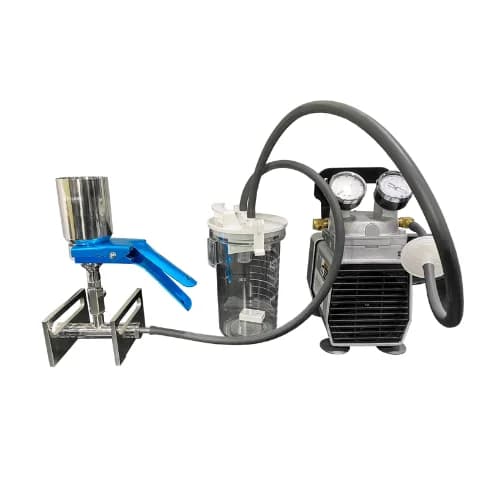
MPC and antioxidant testing
Membrane Patch Colorimetry, usually shortened to MPC, helps trend varnish potential. RULER® testing adds evidence about remaining antioxidant protection. Neither result should be read in isolation.

Sticky valves, rising temperatures, shorter filter life and repeat trips may point to varnish. NATCOM connects oil analysis with machine behaviour, then builds a treatment plan for your system. Available across Egypt and Saudi Arabia.
A condition-led service
Turbine oil varnish is a sticky deposit formed from lubricant degradation products. It can collect on governor and servo valves, bearings, coolers, filters and other oil-wetted surfaces. Closely fitted parts may respond slowly, heat transfer may suffer, and filters may need attention more often. Cleaning a valve or changing the oil may still be necessary. Either action can leave deposits elsewhere in the system. A lasting response starts by confirming what the oil is carrying and whether the machine evidence points to the same cause. These symptoms also have mechanical, control and contamination causes. NATCOM does not prescribe a varnish treatment from the symptom alone.
No single sign proves varnish. The pattern across the machine, oil and maintenance history is what makes the diagnosis useful.
Governor and servo valves may respond slowly when sticky deposits reach close clearances.
Valve-response problems can become availability problems when controls move beyond limits.
Deposits on oil-wetted surfaces may interfere with heat transfer and bearing performance.
Recurring deposits or early filter loading can point to a condition elsewhere in the oil system.
How NATCOM handles it
The objective is to connect the operating problem to a qualified intervention and a measurable follow-up. Oil analysis defines the test scope and interprets results in the context of the asset. Measured particles or water require a filtration assessment; varnish needs a separate treatment plan.
Review the oil, sample history, operating temperatures, valve response, filter behaviour, inspections and trip records.
Match the findings to deposit treatment, contamination control, filtration, component work, antioxidant restoration or an oil change.
Check oil formulation, reservoir volume, system materials, filtration, operating state and equipment-manufacturer requirements.
Repeat the relevant oil tests and track the valve, temperature, filter and trip signals that prompted the work.
Selected for the system
Deposit treatment, filtration and oil replacement solve different problems. NATCOM selects the combination after reviewing the oil, equipment and operating constraints. Some systems still need component work, physical cleaning, filtration changes or oil replacement.
Membrane Patch Colorimetry, usually shortened to MPC, helps trend varnish potential. RULER® testing adds evidence about remaining antioxidant protection. Neither result should be read in isolation.
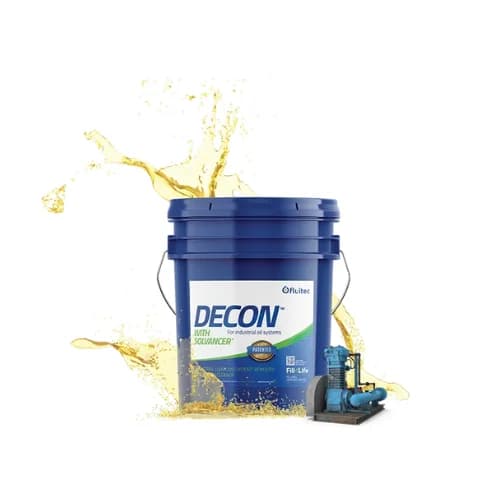
DECON™ can dissolve and mobilise organic degradation deposits in qualified in-service oil. The plan must account for oil compatibility, filtration and the material released from internal surfaces.
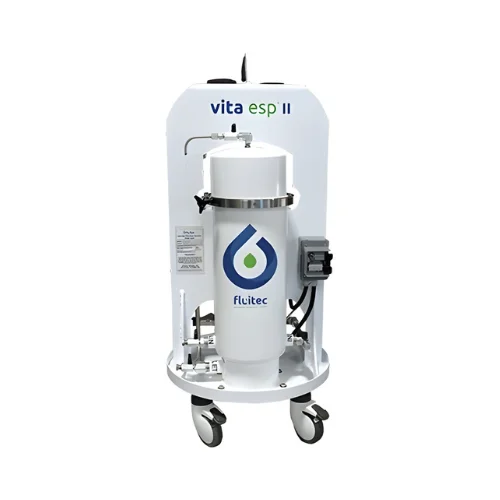
VITA ESP circulates oil through a separate treatment loop to remove varnish-related degradation products. The configuration is selected for the oil condition and the wider contamination problem.
Documented Egyptian case
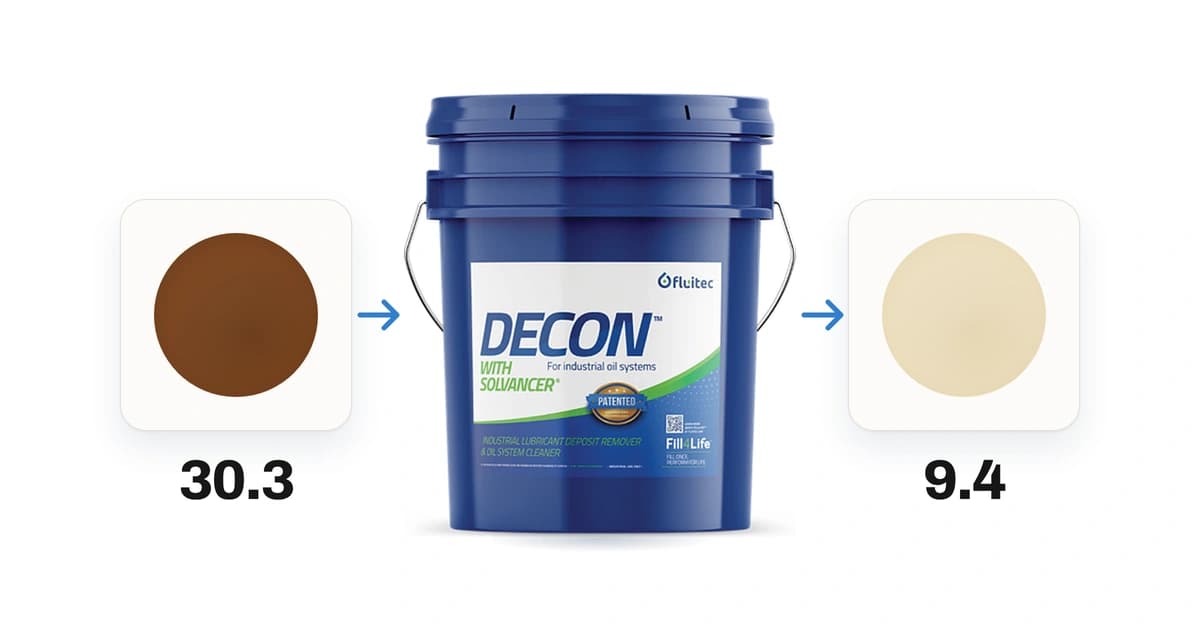
An anonymous fertilizer plant in Egypt operated a steam-turbine-driven compressor train at the centre of its nitric acid process. Inspection found sticky varnish on the governor-valve stem and spool, while oil analysis recorded an MPC result of 30.3.
NATCOM recommended DECON™ for this system. The case reports that treatment was added while the train remained in service, with no shutdown, flush, oil change or additional hardware required for this job.
Fluitec also reports improved governor-valve response. The follow-up period is not published, so this is one completed system outcome, not a permanent guarantee or predicted result for another plant.
Read the Full Case BreakdownRegional delivery
The engineering method does not change at the border. The treatment plan changes with the oil, turbine, filtration, operating duty and site constraints.
Cairo office
NATCOM supports assessment, oil testing, treatment planning and field delivery across Egypt. Its varnish-removal work includes service delivered through NATCOM's role as ExxonMobil Egypt's sole service partner.
Al Khobar office
From Al Khobar, NATCOM supports Saudi power-generation, oil and gas, petrochemical and industrial sites with turbine-oil varnish assessment and treatment projects scoped to the local plant.
Turbine oil varnish is a sticky deposit formed from oil-degradation products. It can collect on valves, bearings, coolers, filters and other oil-wetted surfaces, where it may interfere with movement or heat transfer.
Membrane Patch Colorimetry, or MPC, helps trend varnish potential by measuring the colour of degradation material captured from an oil sample. The reported Delta E value is not a percentage of varnish and does not show the exact amount or location of deposits inside the turbine.
Some treatments can be applied in service when the oil and system qualify. That happened in the documented Egyptian case. It is not a universal promise. NATCOM reviews compatibility, filtration, equipment condition and manufacturer requirements before confirming the operating plan.
Not necessarily. Draining the reservoir removes oil that can flow out, but deposits may remain on internal surfaces. Fresh oil can then return to the same contaminated system. The decision should cover the oil and the machine internals.
No. The oil formulation, current condition, treatment objective and compatibility must be checked first. NATCOM may recommend DECON™, DECON™ AO, contamination-control equipment, filtration, mechanical cleaning, an oil change or a combination.
Yes. NATCOM supports turbine-oil varnish assessment and treatment projects in both Saudi Arabia and Egypt. Each enquiry is scoped against the site, oil and equipment involved.
Recent offshore applications show two different treatment objectives: stopping compressor trips within hours and retaining turbine oil with quarterly monitoring.
For a compressor application, see the varnish-treatment case with four-day MPC results and our comparison of oil filtration and varnish removal. If replacement has been recommended, use these questions to ask before buying new oil to establish the technical basis for the decision.
Send the current oil report, oil brand and grade, approximate reservoir volume, turbine model, symptoms, filter history and operating constraints. NATCOM will explain what the evidence supports, what still needs testing and whether treatment is justified.
Serving industrial plants across Egypt and Saudi Arabia.