
Industrial Reliability Blog
The problems that quietly consume availability, maintenance budget, and asset life—and the evidence-led ways to solve them.

More Insights
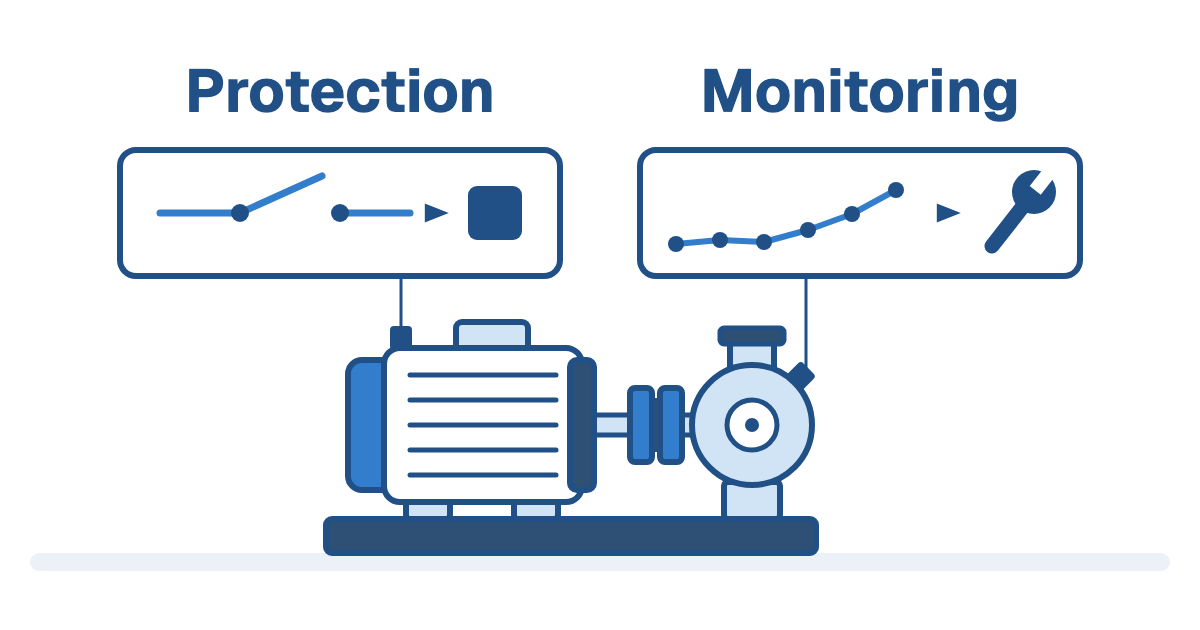
Machinery protection vs condition monitoring: what must each system do?
A diagnostic warning and an automatic trip support different decisions. Define both before replacing or extending a monitoring system.
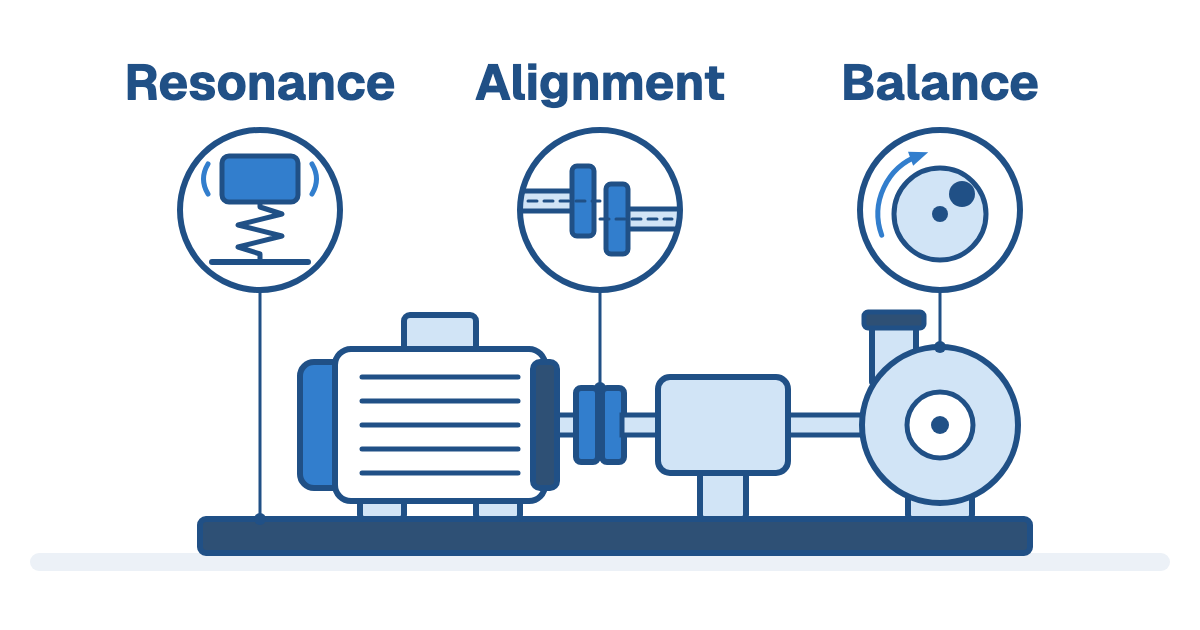
Balancing, alignment or resonance: diagnose the vibration before choosing the repair
A shaking machine needs evidence about the rotating parts, shaft relationship and supporting structure. The visible symptom cannot choose the work.
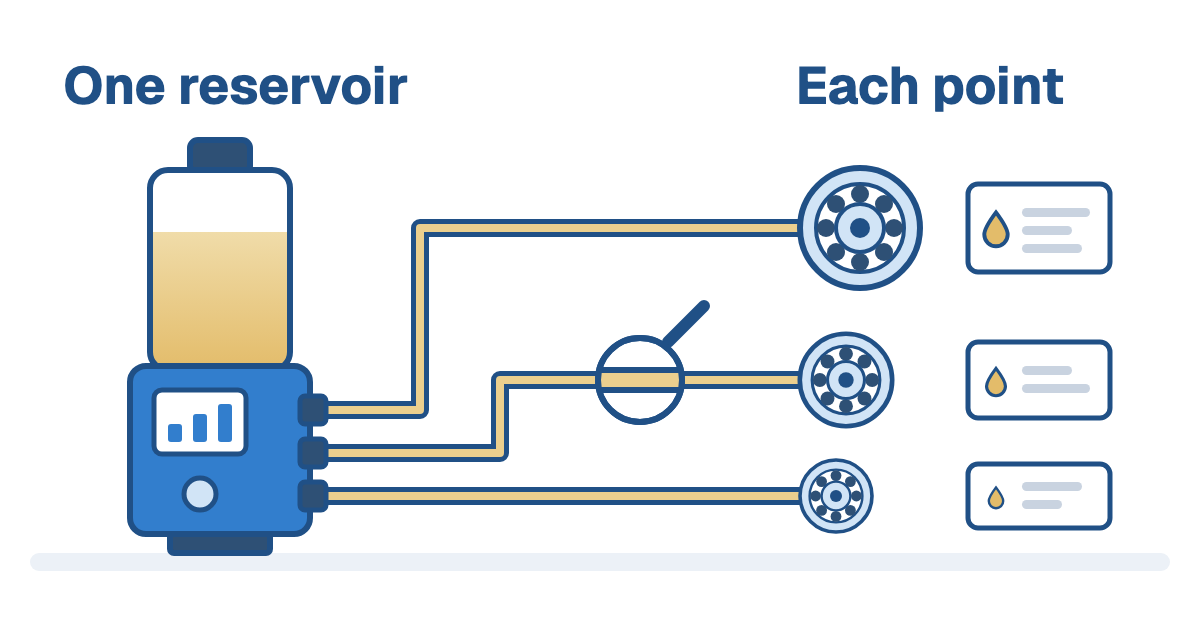
Automatic greasing: choose the delivery system around the lubrication point
Point requirements, lubricant compatibility, delivery settings and inspection matter more than cartridge size alone.
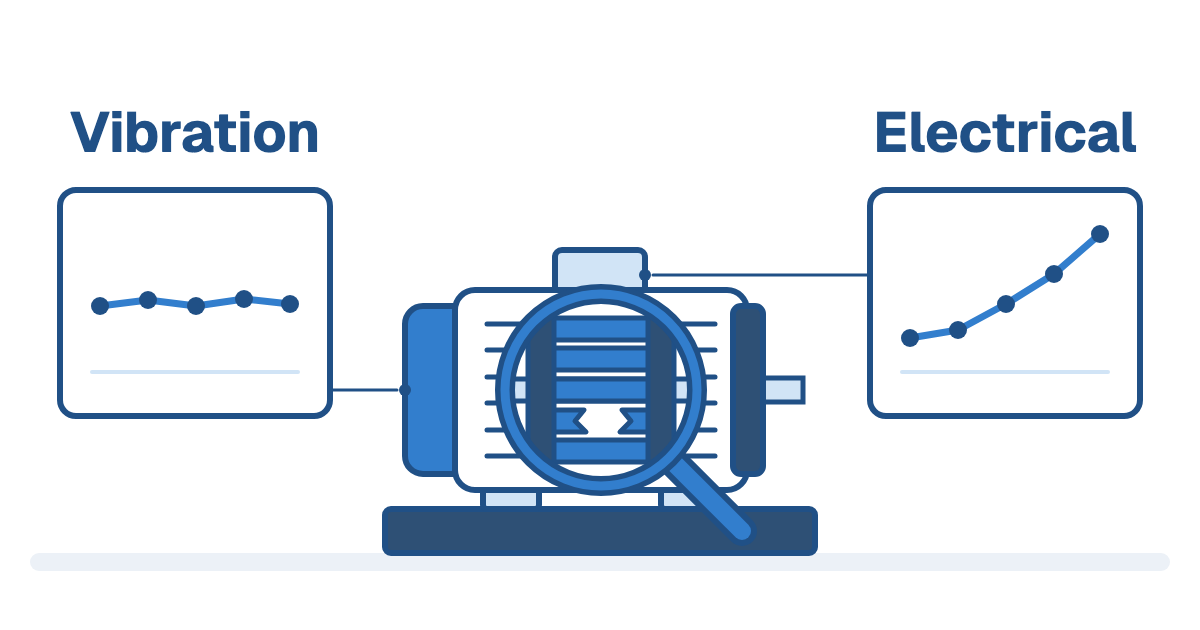
The motor vibration looks normal. What could the assessment still be missing?
A reassuring mechanical trend does not answer every electrical question. Match the test scope to the motor, its supply circuit and the conflicting evidence.
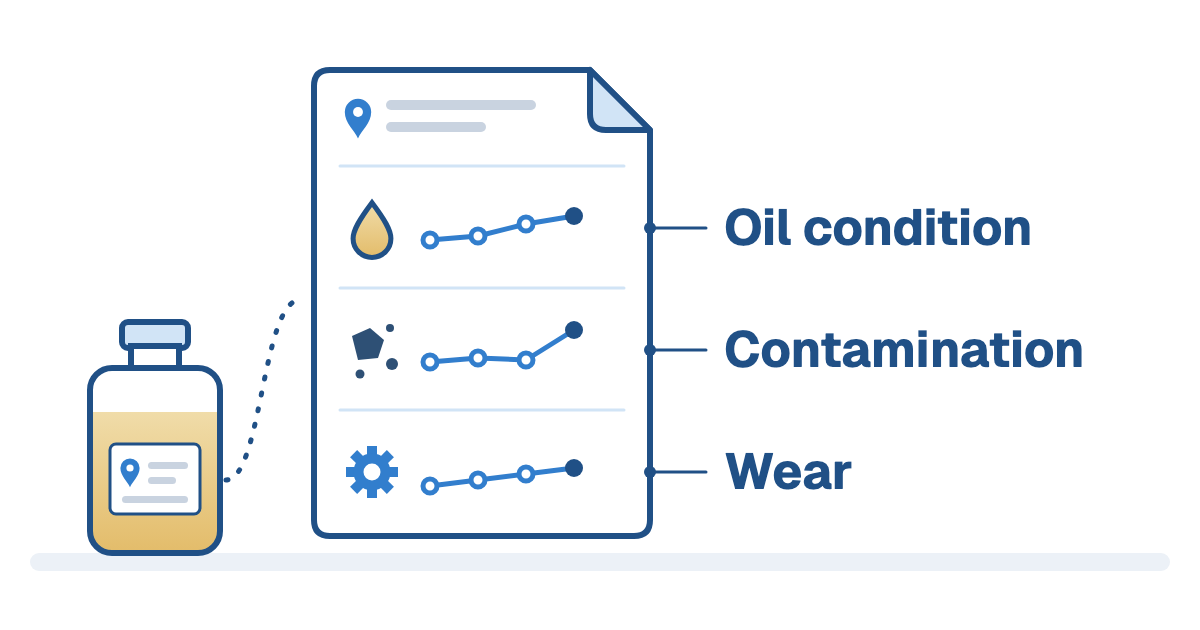
How to read an industrial oil-analysis report
Read the sample history, the test methods and the gaps before turning a laboratory result into a maintenance instruction.
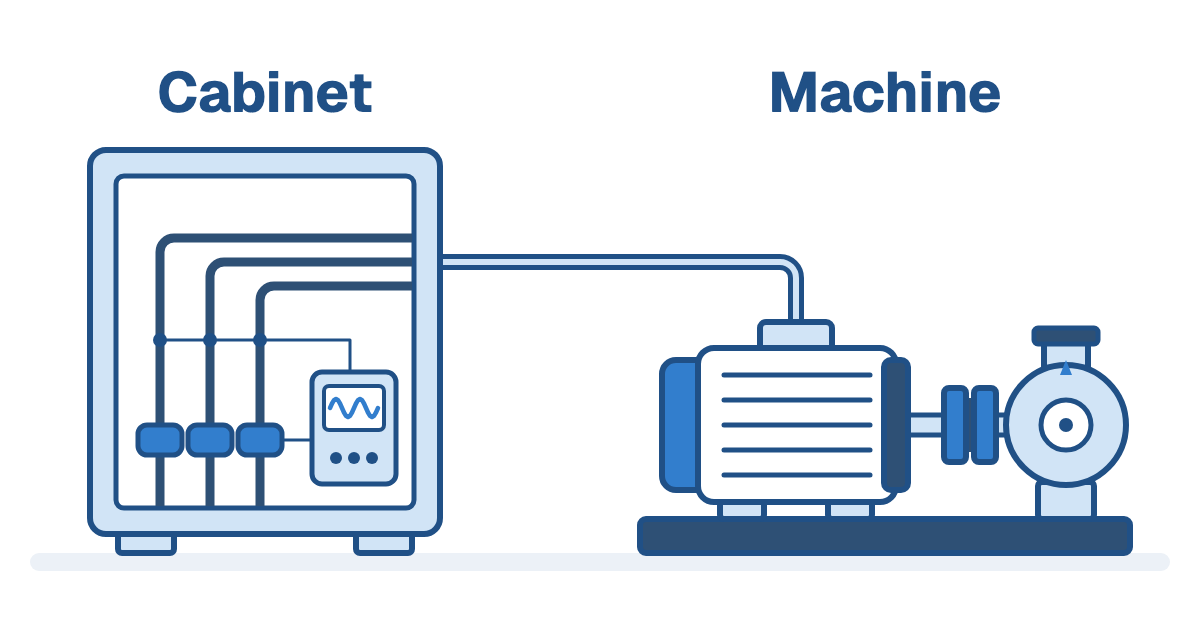
What sensorless condition monitoring actually measures
Electrical connections at the cabinet provide a different view of the motor and its driven equipment.
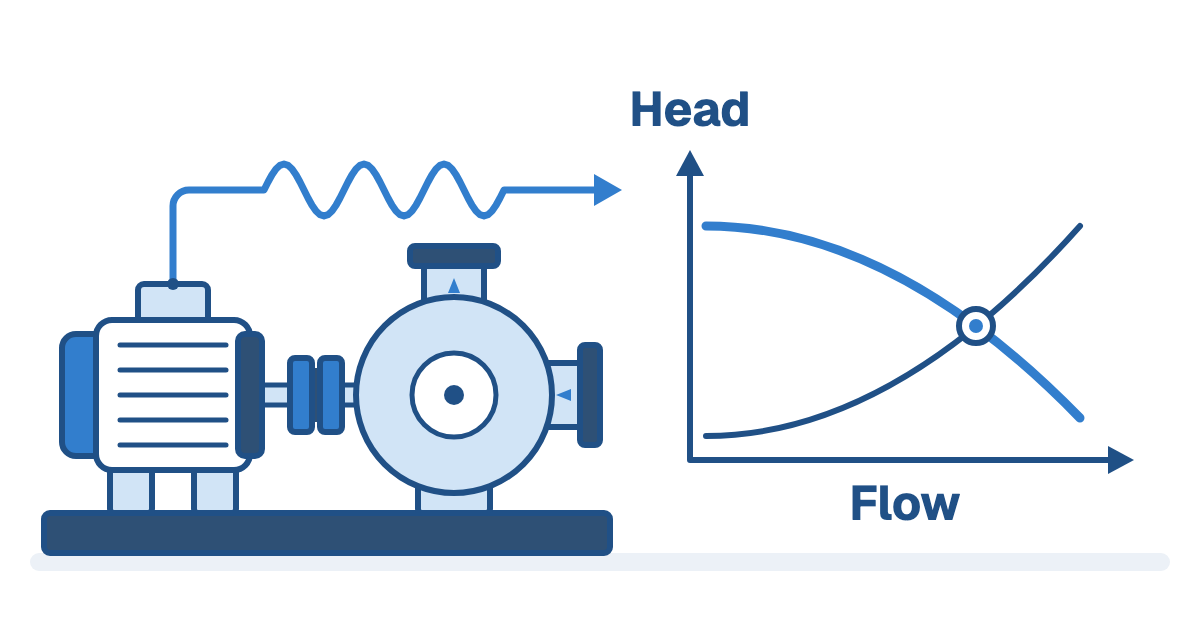
Pump performance and energy diagnosis from electrical signals
Separate measured electrical input, calculated pump performance and projected savings before approving an equipment change.
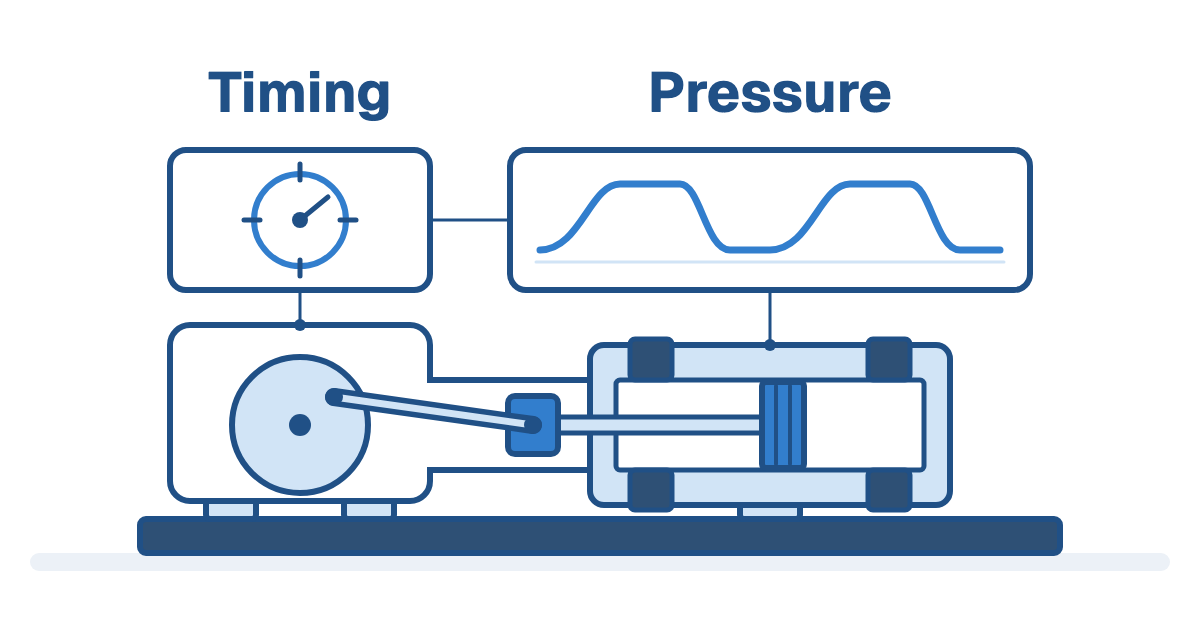
What to monitor on a reciprocating compressor
Connect cylinder performance and component condition to the operating cycle before selecting an analyzer or monitoring system.
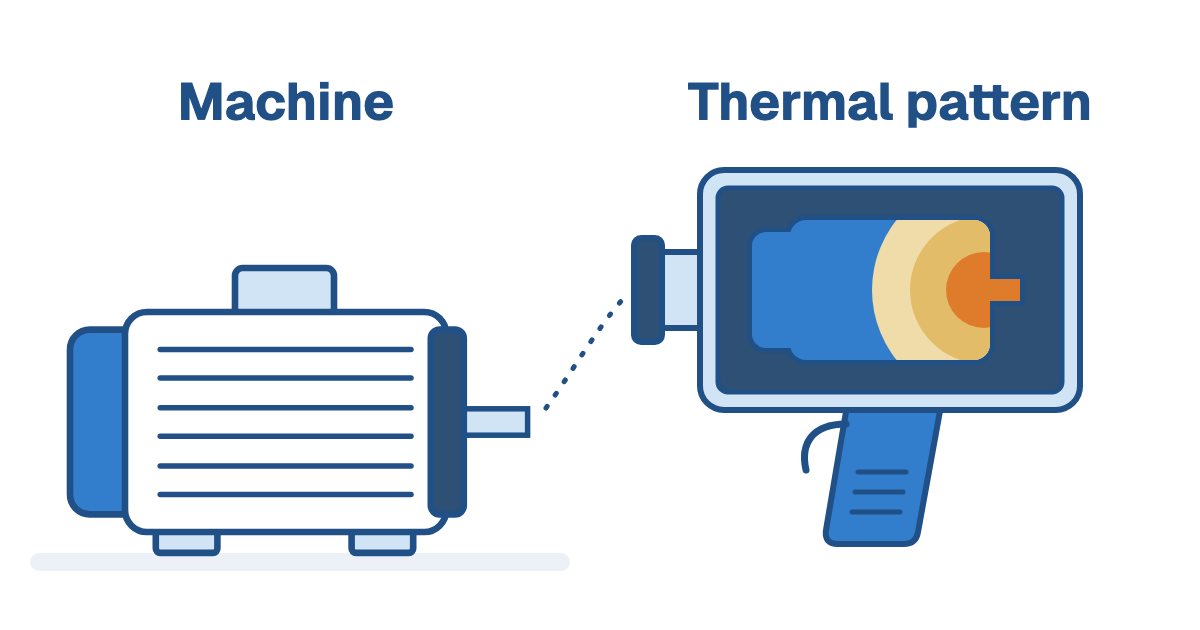
What an industrial thermal inspection can and cannot show
A thermal pattern becomes useful evidence when the report records the load, surface and comparison that explain it.
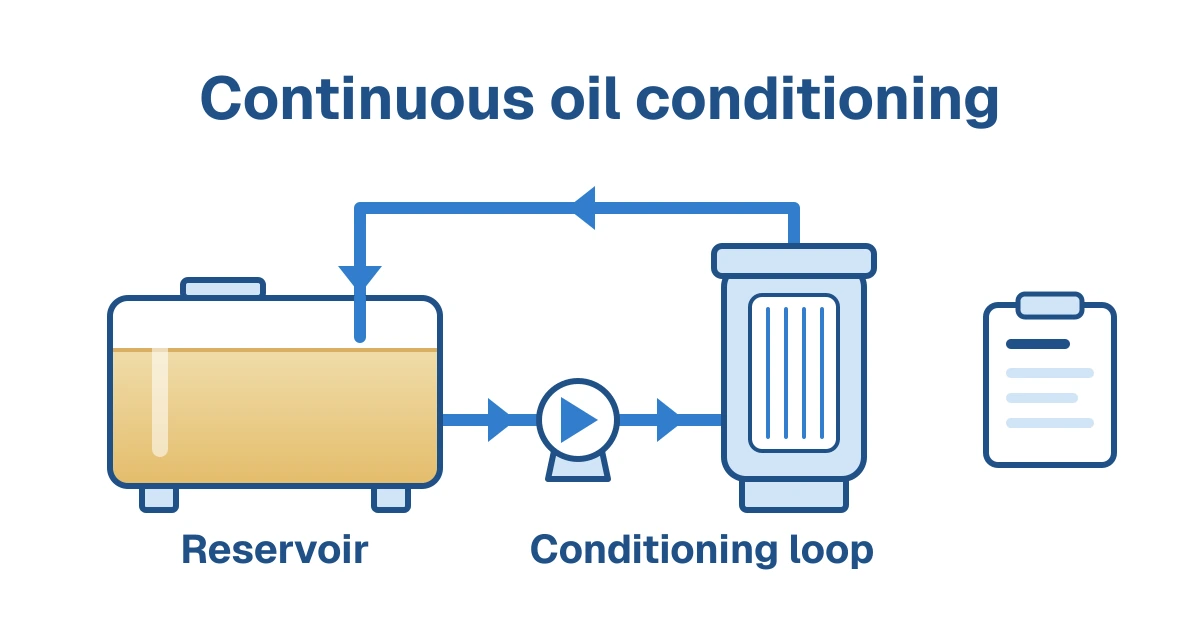
Continuous oil conditioning for turbine varnish control
Remove varnish-forming material from circulating oil, address the cause and follow the condition of the oil and the machine.
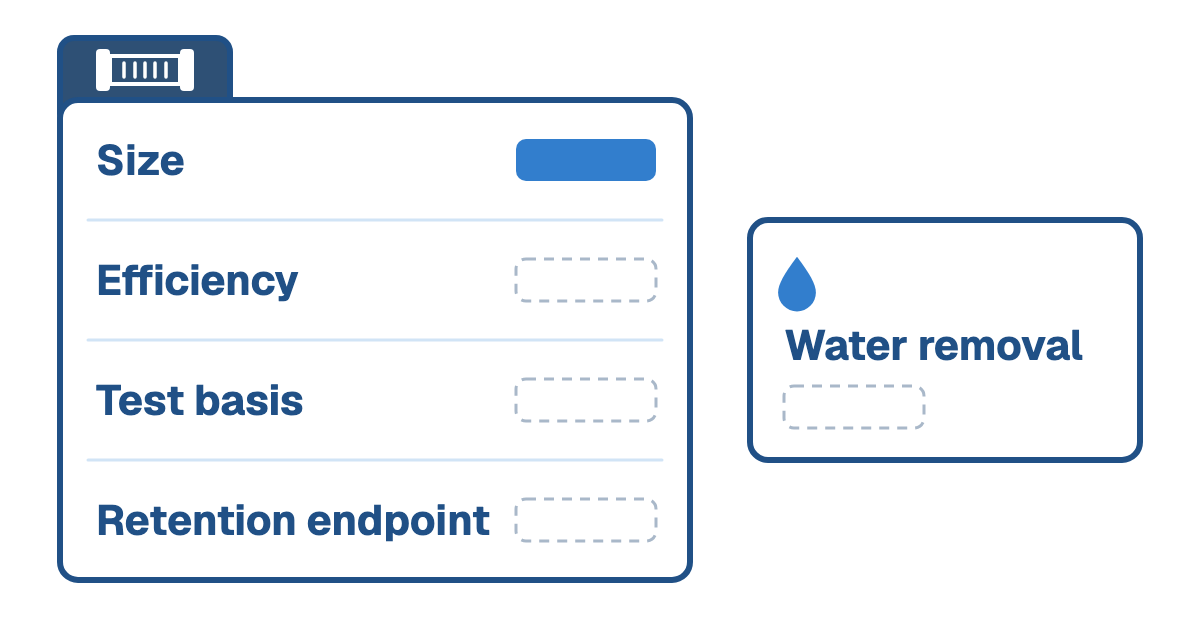
Diesel filter micron ratings: what does the performance table actually prove?
Read the particle size, removal efficiency, dirt-retention endpoint and water test separately before treating two filter quotations as equivalent.
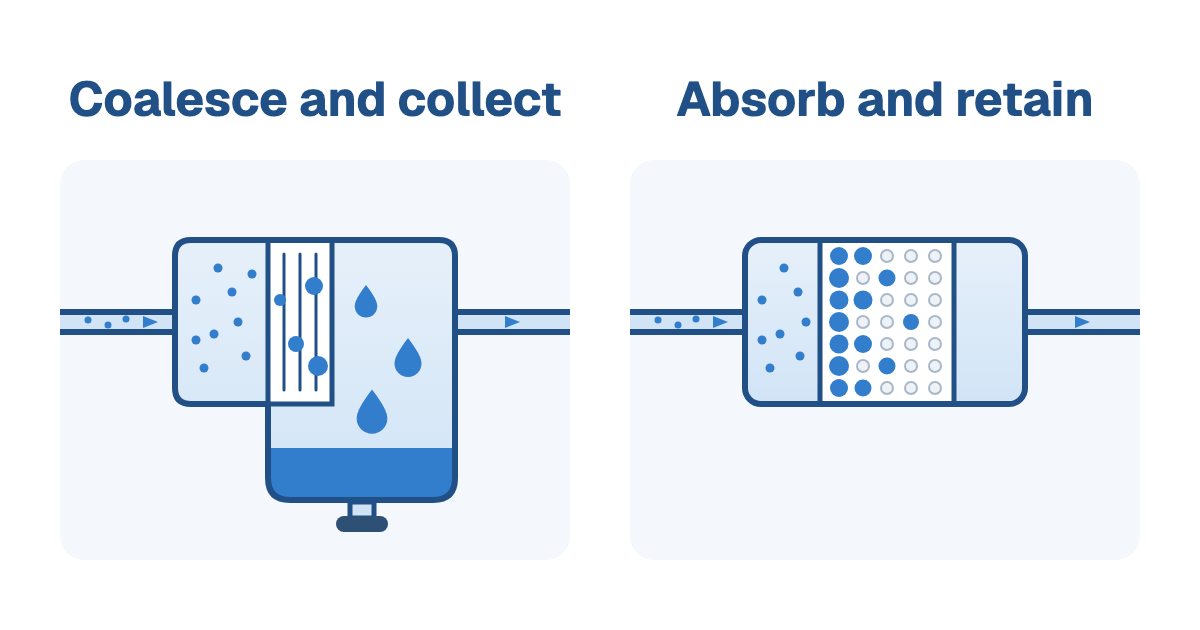
Diesel water separators: coalescing or water-absorbing media?
Choose the water-removal mechanism around the fuel, operating duty and test evidence. A particle rating cannot make that choice for you.
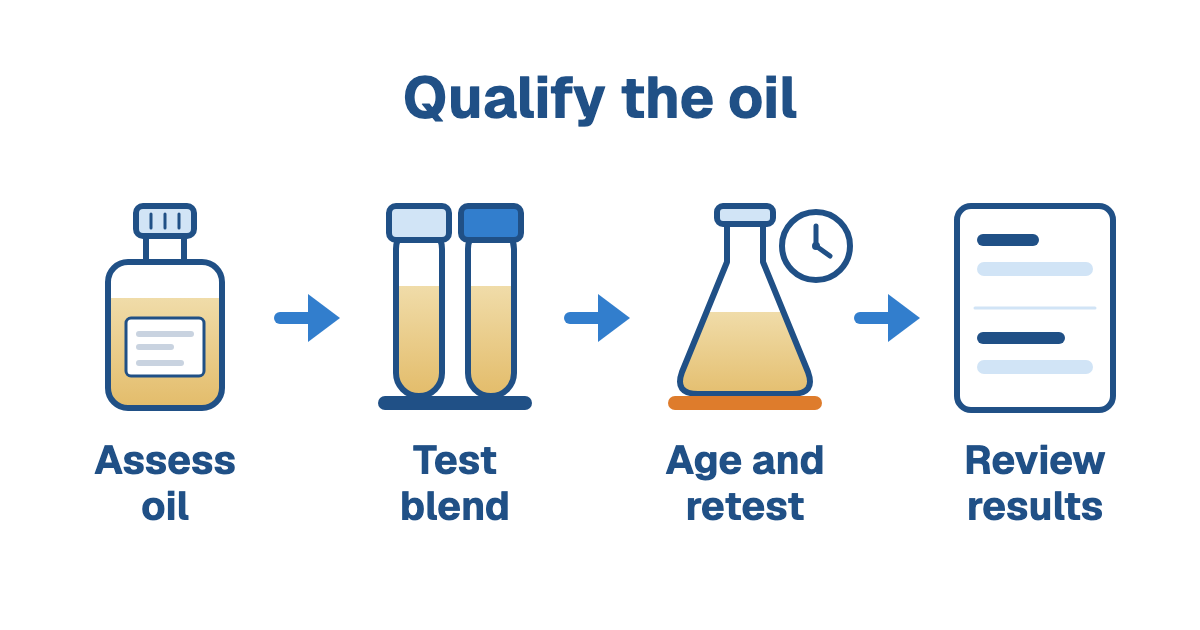
Can your turbine oil qualify for antioxidant replenishment?
Check the condition of the actual oil, the proposed blend and its performance after aging before accepting a replenishment recommendation.

Rising oil particles: contamination entering or machine wear?
Use particle identity, size and trends to decide whether to investigate an entry route, filtration, the machine or a combination.
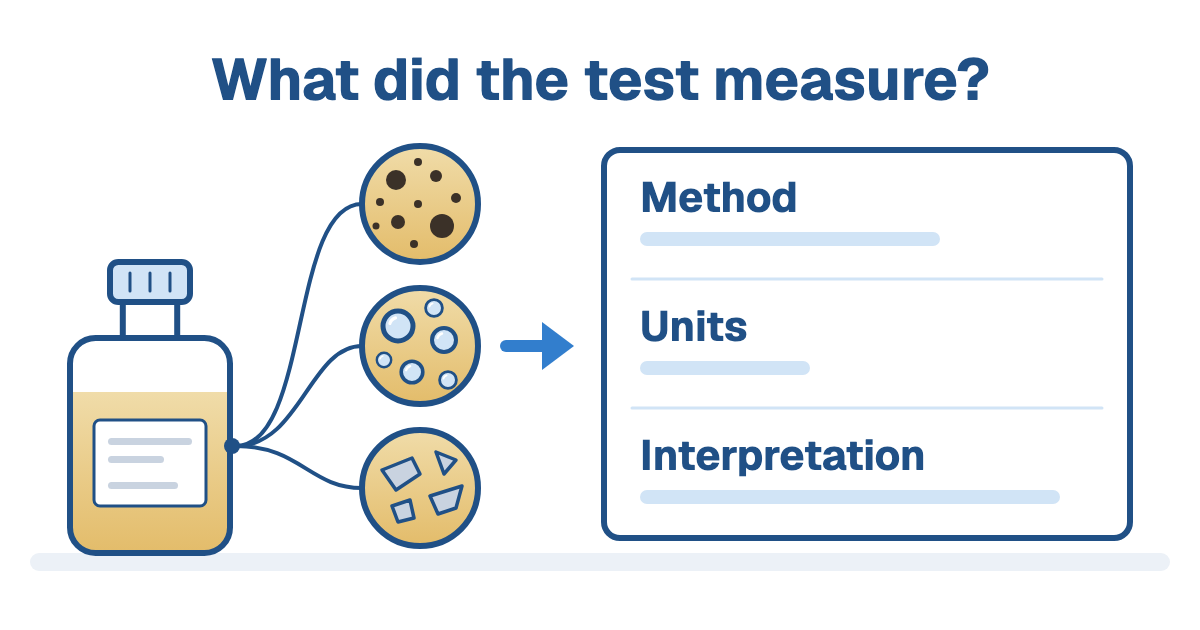
How to choose the best oil analysis lab for contamination detection
Compare contaminant coverage, suitable methods, sampling and report interpretation before choosing a laboratory for your machinery.
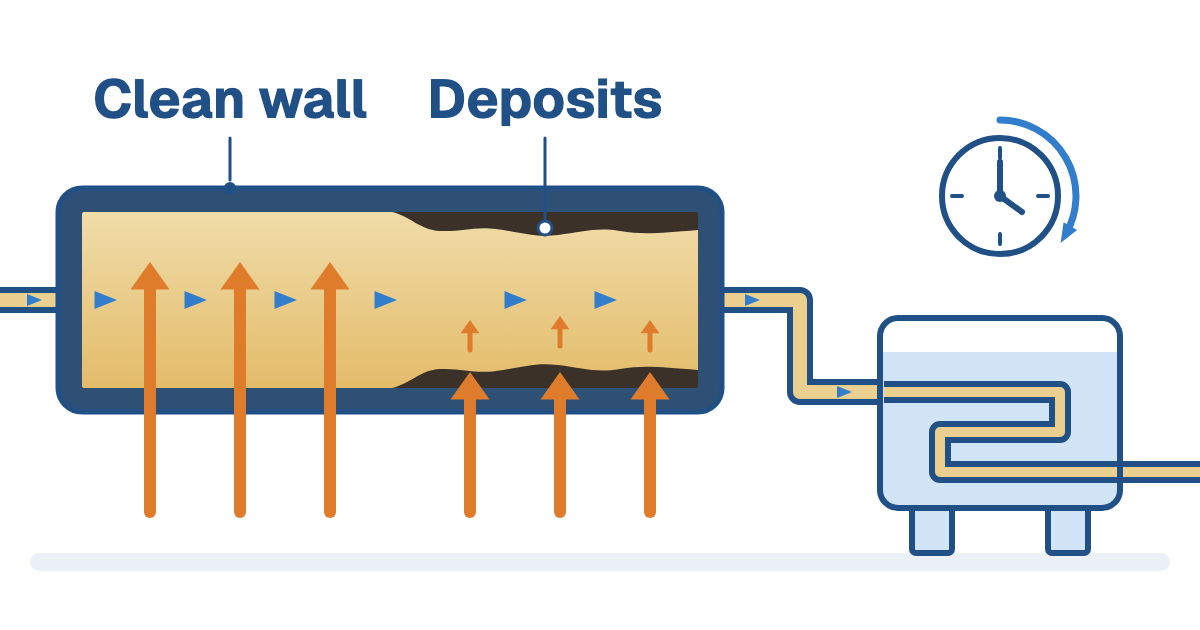
Why is your thermal-oil system taking longer to heat up?
Compare operating trends, circulation and oil condition before choosing deposit treatment, equipment work or a replacement oil charge.

Single or duplex diesel filters: what happens when a filter needs servicing?
Compare the filtering paths, duty on each side and service access before selecting a diesel-filter arrangement.
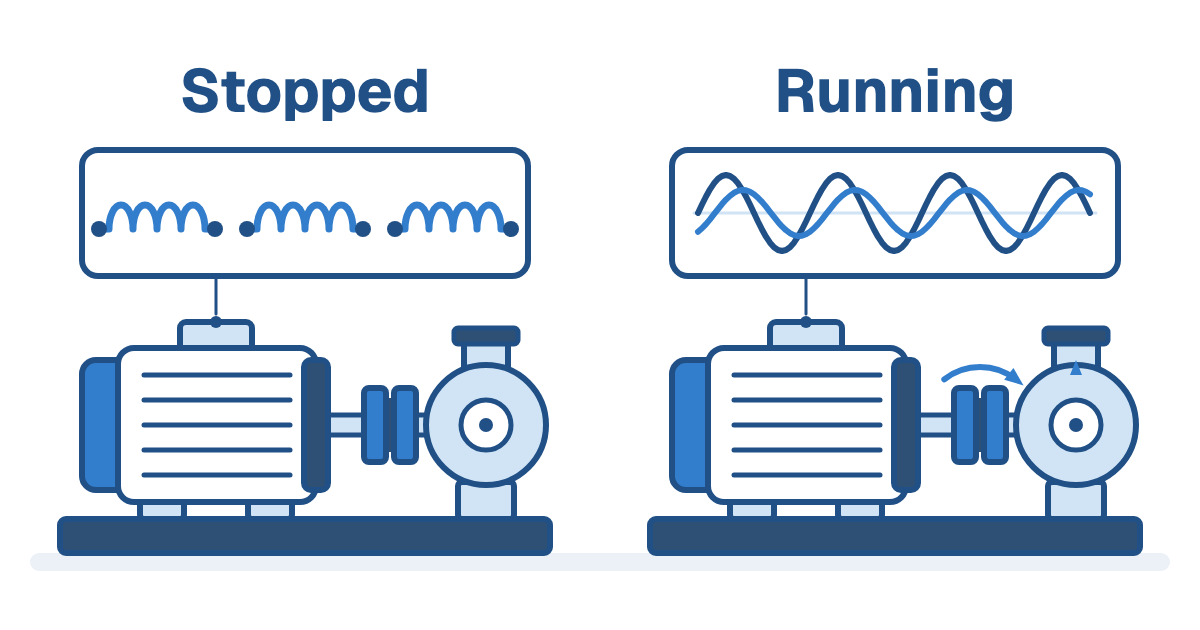
Motor testing while stopped versus while running: what does each reveal?
Choose electrical tests around the fault being investigated, the operating conditions and the evidence still missing.
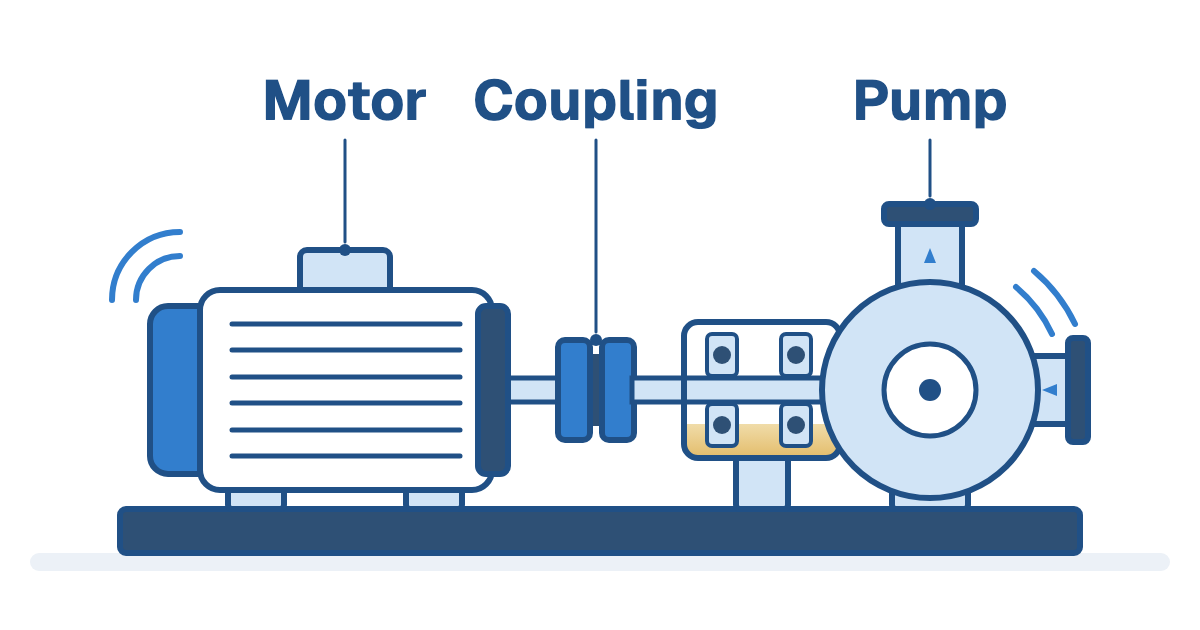
High pump vibration: what to check before replacing a bearing
Separate motor, pump and operating-condition findings, confirm the suspected cause and decide how corrective work will be verified.
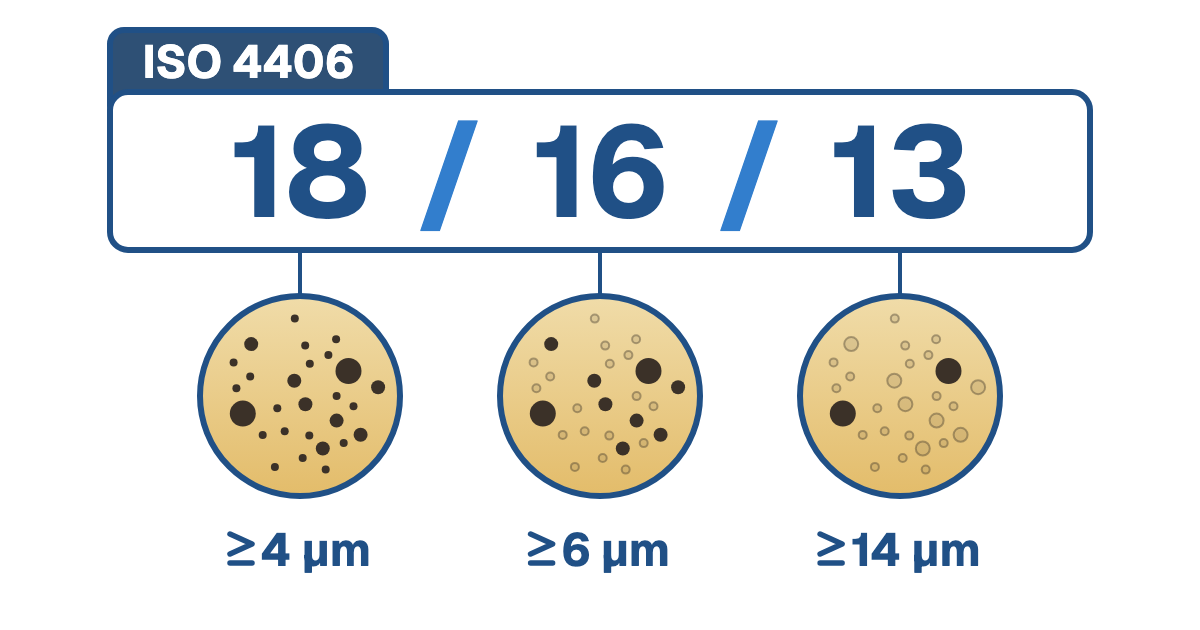
ISO 4406 oil cleanliness codes: how to read your result
Read the three particle-count bands, find the right equipment target and check what the result can support before choosing filtration.
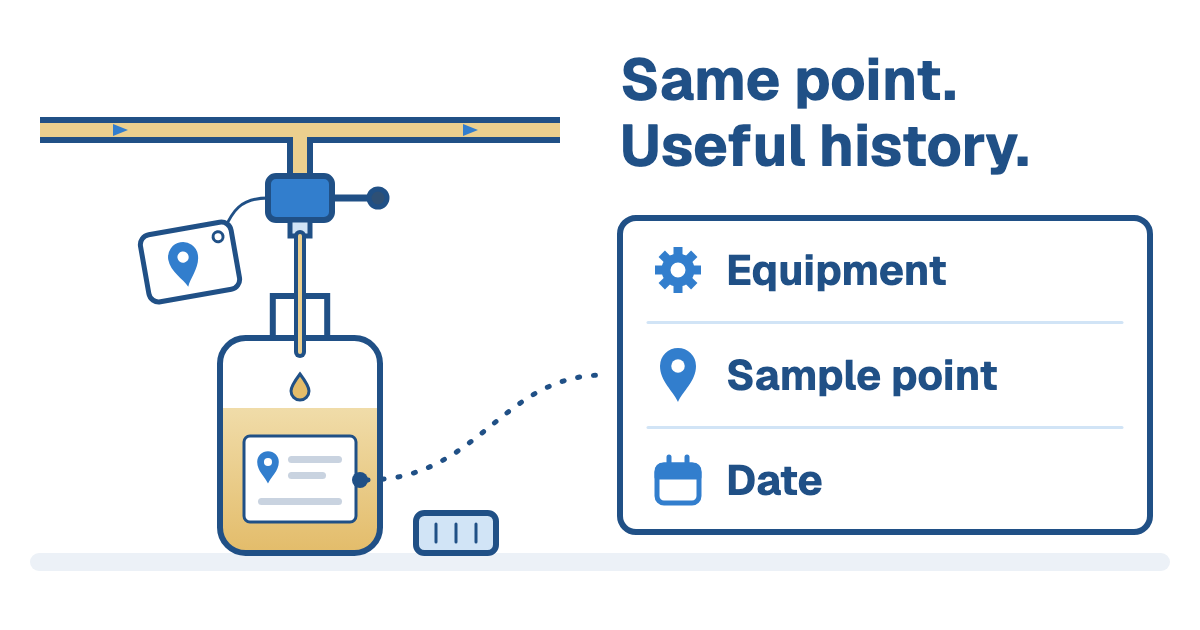
Industrial oil sampling: how to collect a sample you can trust
Choose a useful sample point, keep collection conditions consistent and give the laboratory the history it needs to interpret the result.
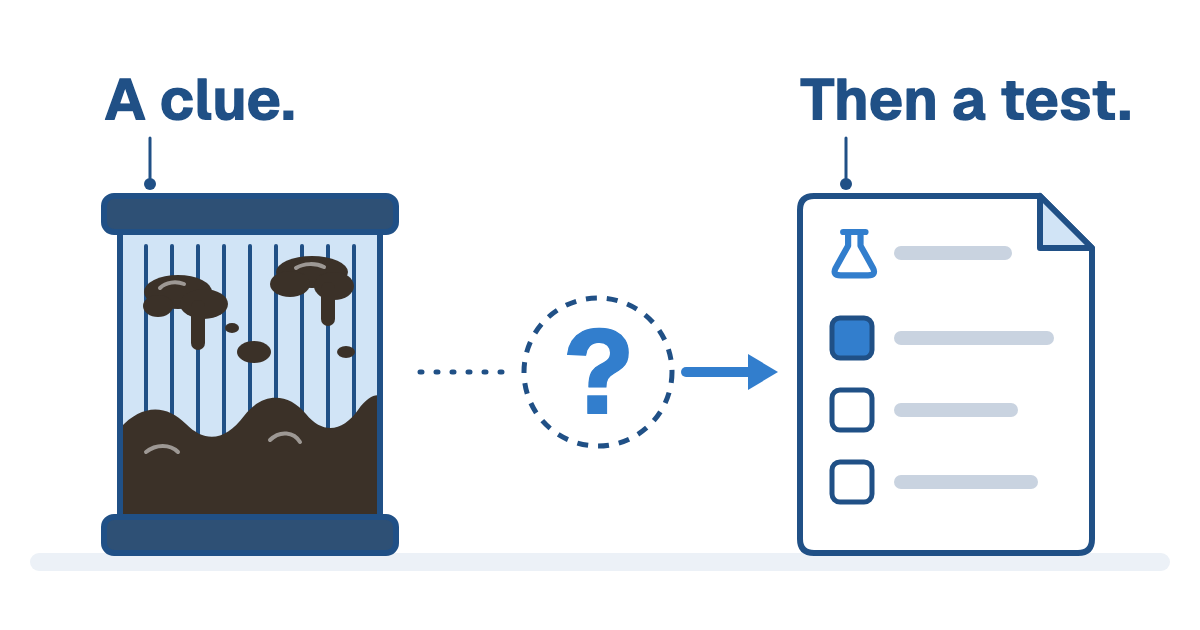
Diesel bug: how to confirm microbial contamination before treatment
Separate visible clues from microbial evidence, define the investigation and agree how treatment will be checked.
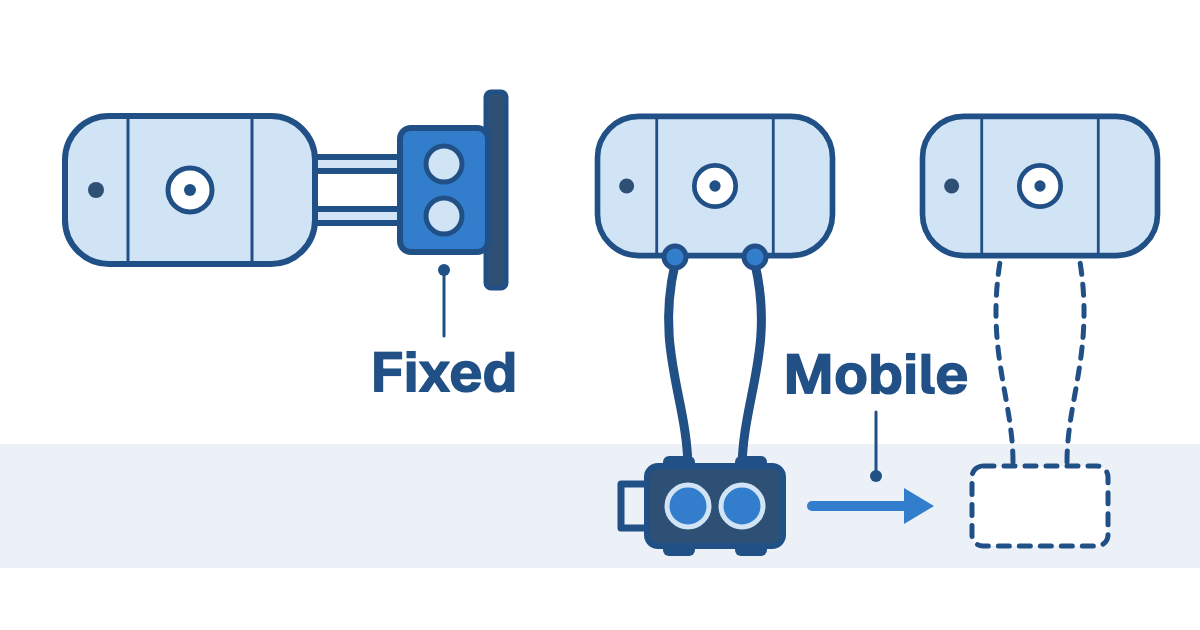
Fixed or mobile fuel polishing: which suits your diesel tanks?
Compare the tank arrangement, treatment duty, access and operating responsibilities before selecting a permanent or portable polishing system.
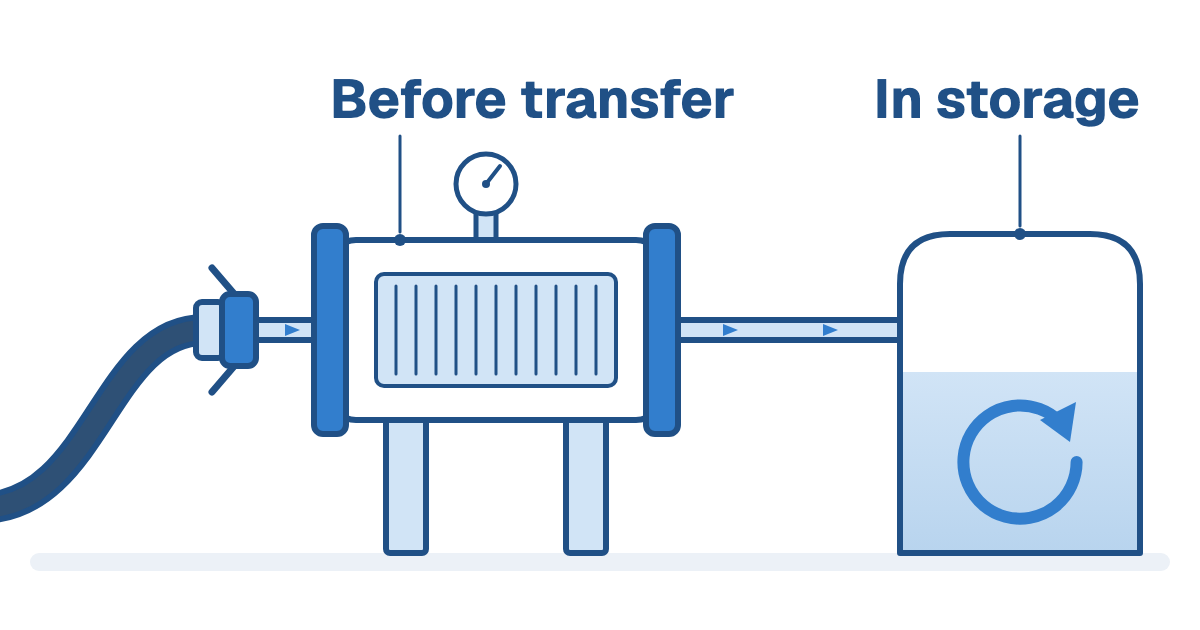
Diesel delivery checks: what to confirm before filling your tank
Check the product, receiving tank and transfer route before a refill, and establish what incoming filtration needs to do.
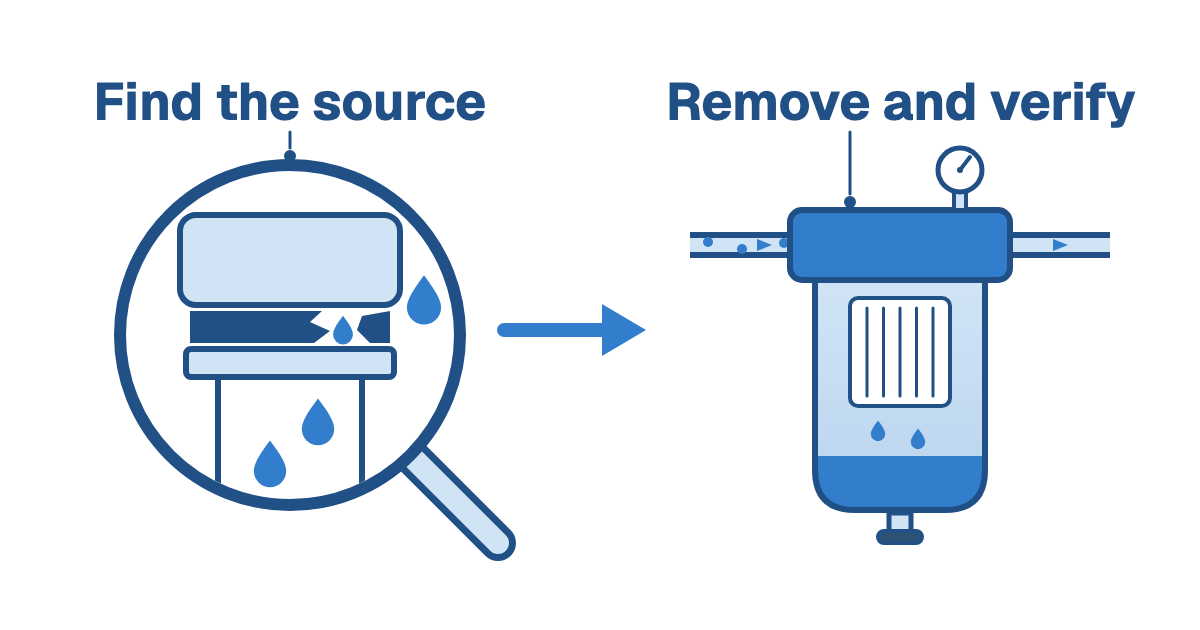
Water in diesel fuel: how to find the source and remove it
Recurring water needs an investigation of the tank and supply route, a suitable removal method and evidence that the improvement holds.
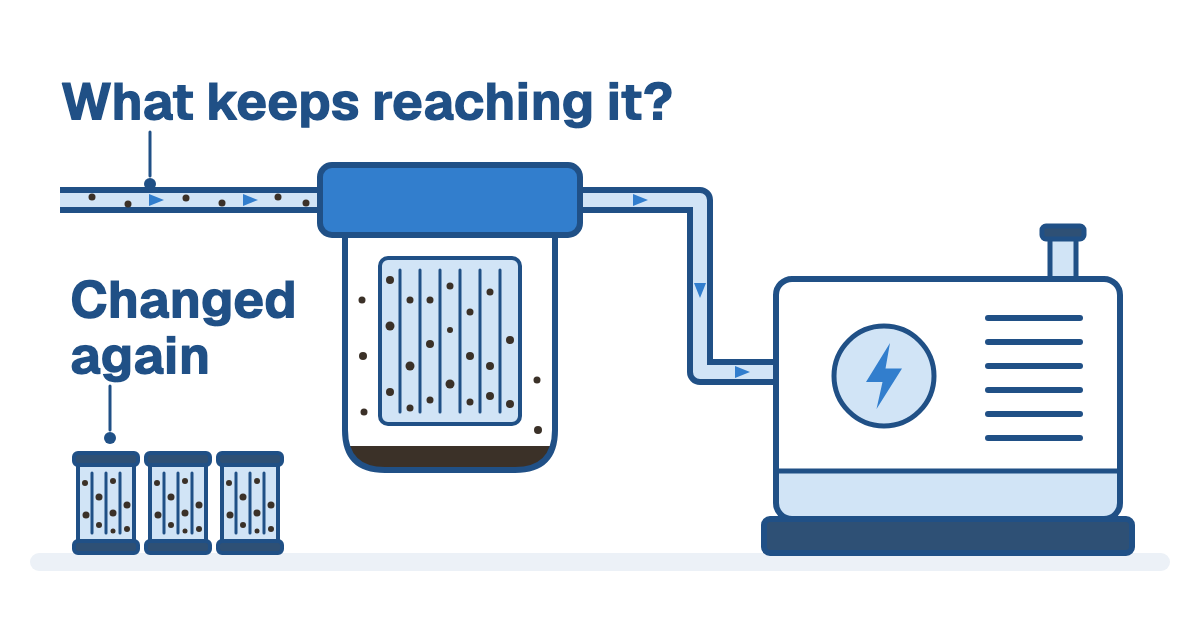
Generator fuel filter blocking: what to check before the next change
Build an investigation around recurring filter changes, the fuel reaching the generator and the events that came before each blockage.
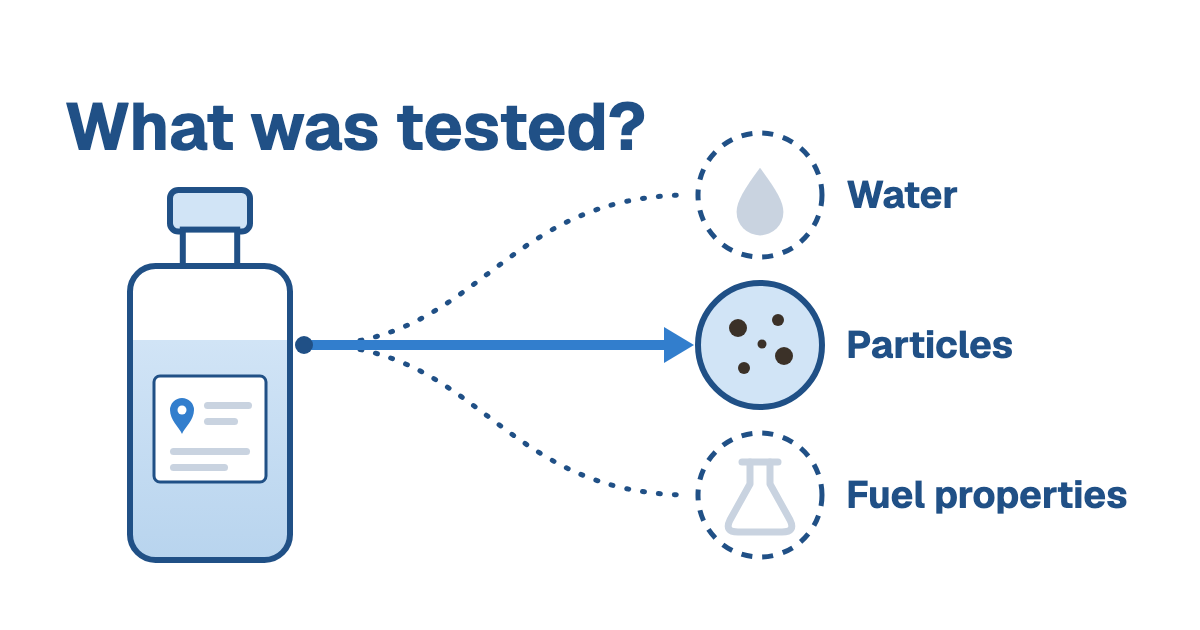
Diesel fuel testing in Egypt: which tests does your tank need?
Choose the measurements, sampling points and acceptance criteria that answer your maintenance question before ordering a fuel test.

Diesel storage life: when should you test, polish or replace it?
Use delivery history, tank condition and fuel tests to decide what to keep in reserve at your Egyptian facility.

How often should you polish diesel fuel in Egypt?
Set inspection dates, testing intervals and treatment triggers around the tank and the equipment that depends on it.
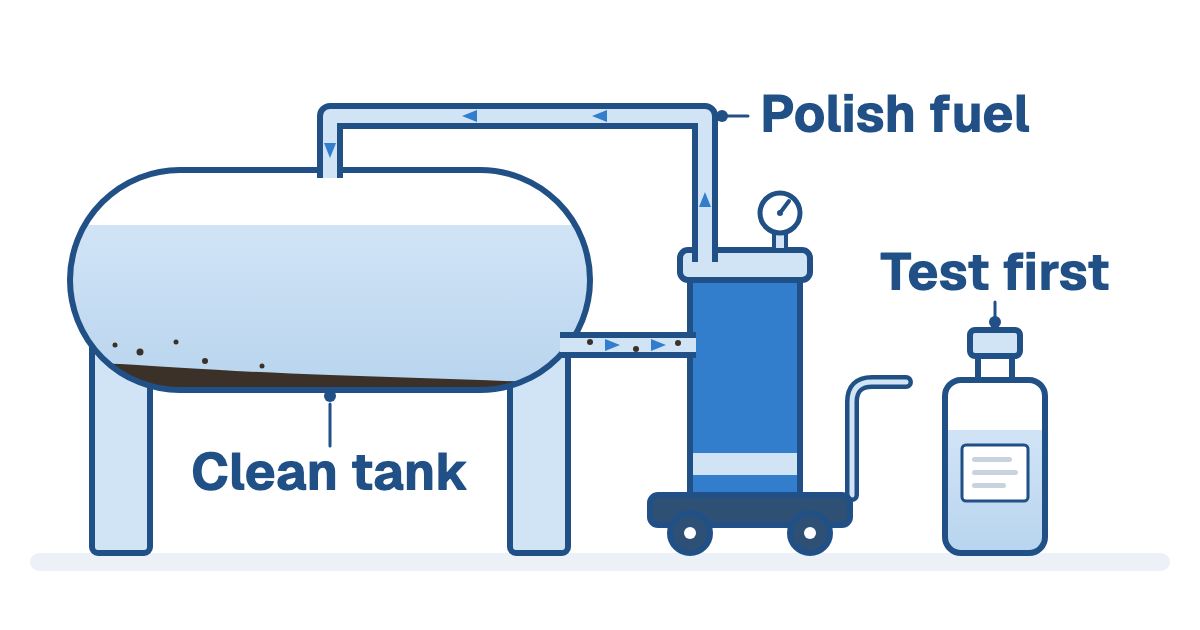
Fuel polishing, tank cleaning or replacement: which does your diesel need?
Match the work to the fuel condition, tank residue and contamination source before committing to a cleanup.
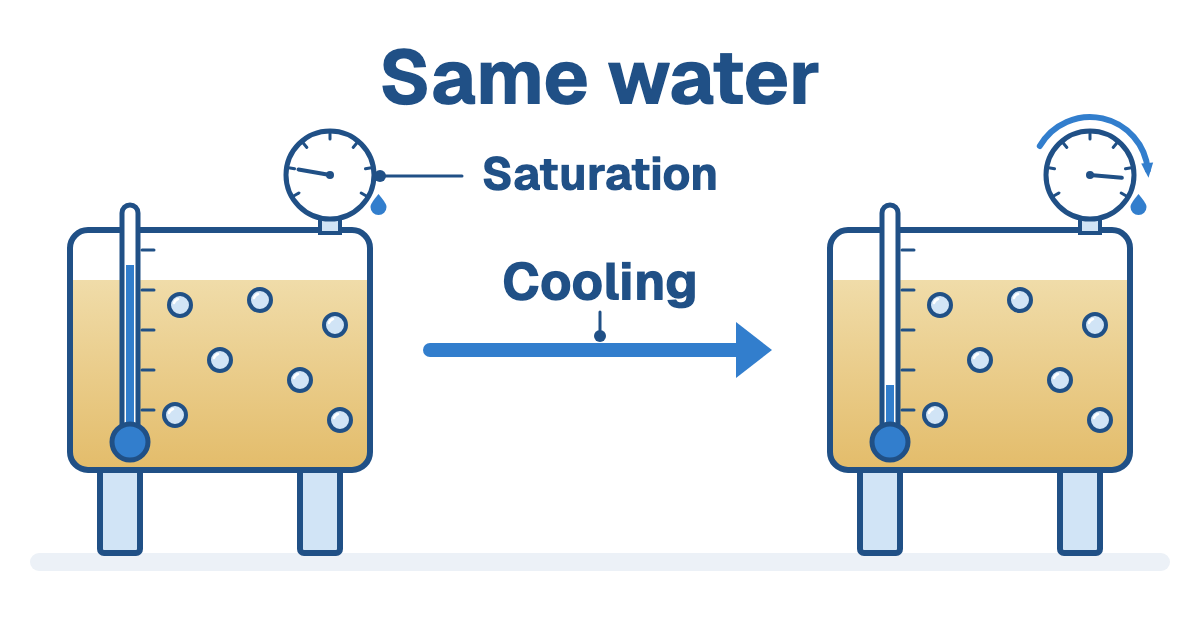
Water in oil: what ppm and saturation mean for treatment
A water result needs its units, temperature and oil context. Use those details to choose treatment and verify that the improvement holds.
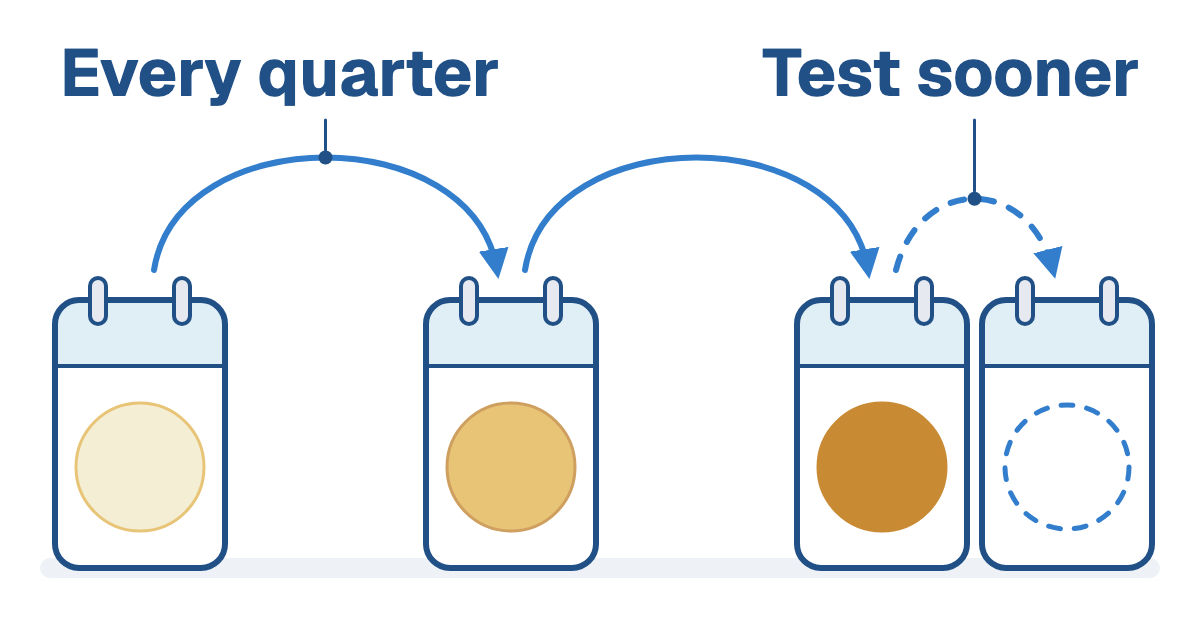
How often should you test MPC and RULER in turbine oil?
Start with a quarterly schedule, then test sooner when the trend changes. Build a useful program around the oil and the maintenance decision.
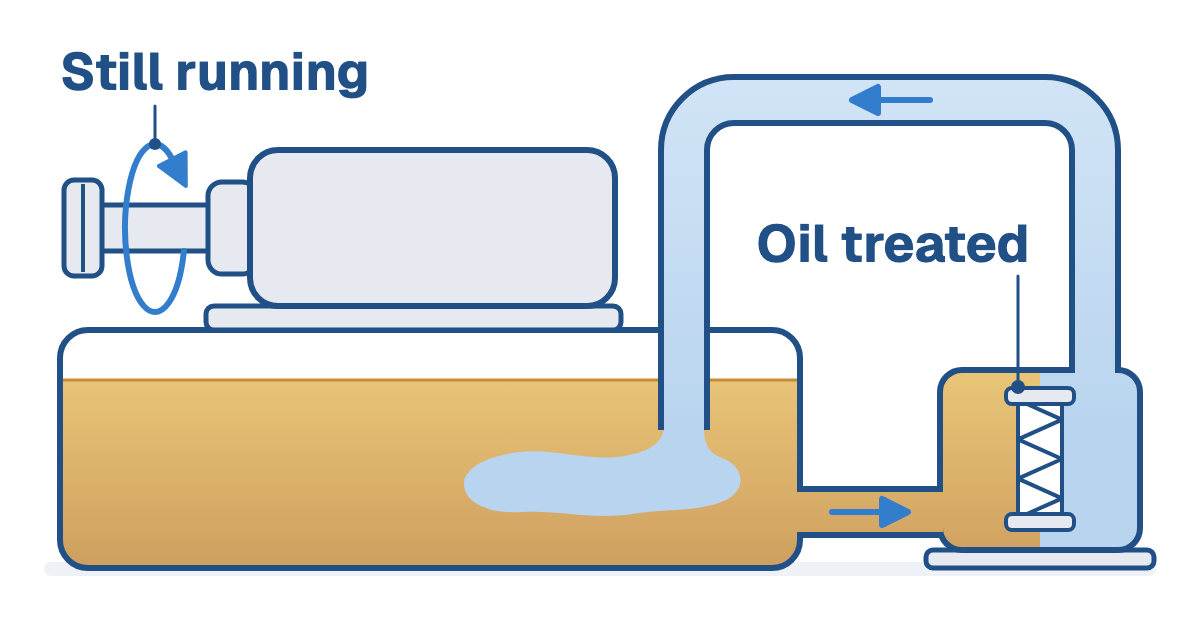
Can I save my oil and avoid a shutdown?
Online oil treatment can preserve usable oil and address oil-related shutdown risks while machinery keeps running. Here is how to assess the opportunity.

Buying oil filtration: are your three quotations actually comparable?
Define the oil condition you need, give suppliers the same scope, and compare complete costs with a practical quotation checklist.

Expired oil in storage: can it be retested and approved for use?
Yes, in many cases. Lubricant recertification can confirm whether unused oil is still fit for use, helping plants avoid discarding usable stock.
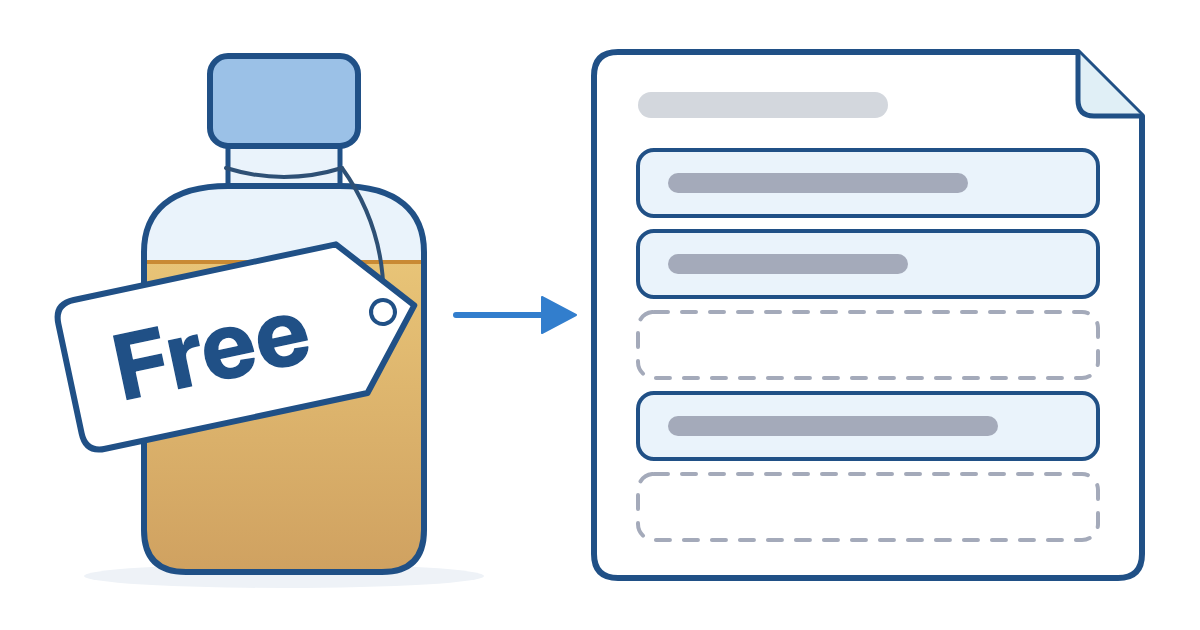
Is free oil analysis enough for your critical machinery?
An included report can be useful. The real question is whether the tests, sampling and follow-up give your team enough information to make a maintenance decision.

Before buying replacement oil, ask your supplier these questions
A turbine oil change needs an engineering reason. Ask for the evidence, the alternatives and the complete job cost before turning supplier advice into a purchase order.
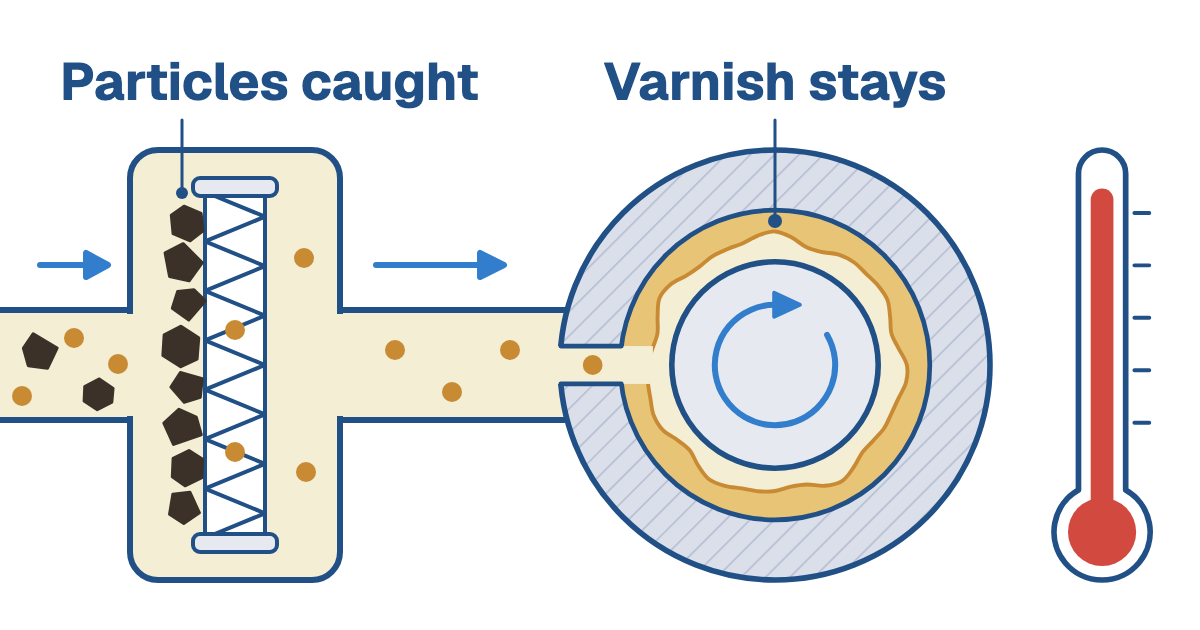
Oil filtration vs varnish removal: why compressor bearings can stay hot
A cleaner particle count does not settle a deposit problem. Compare treatment mechanisms and verify the operating result, with a documented compressor case.
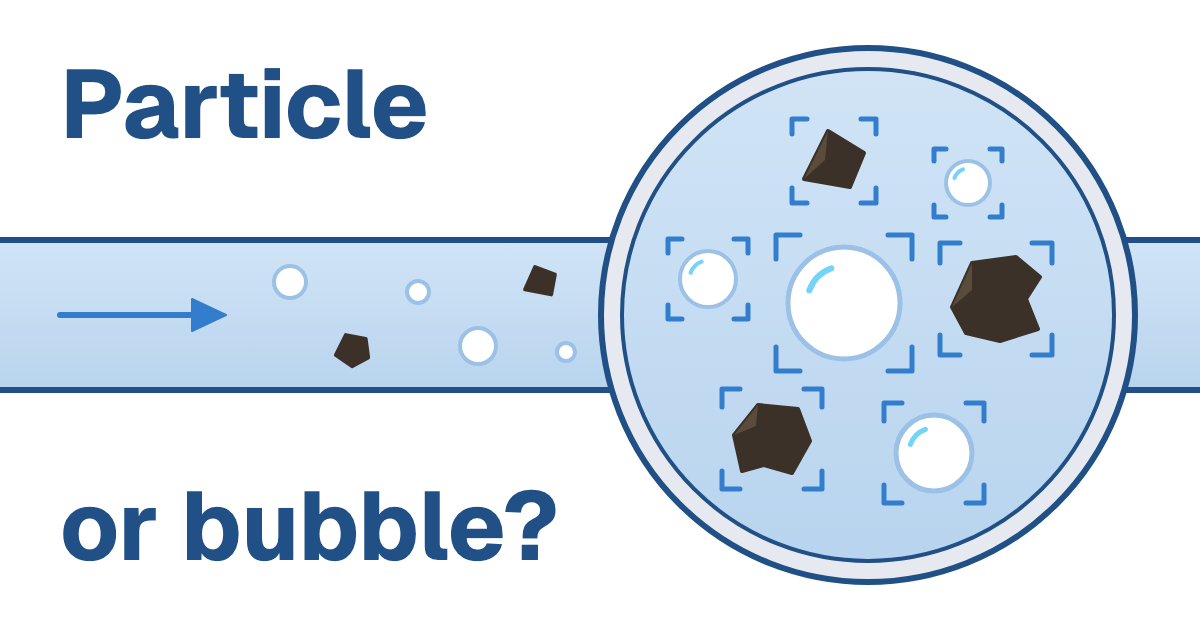
Can air bubbles distort your oil particle count?
Before changing filters or rejecting a gearbox, check whether the count reflects solid particles, bubbles or both. Specify the measurement for the oil conditions.
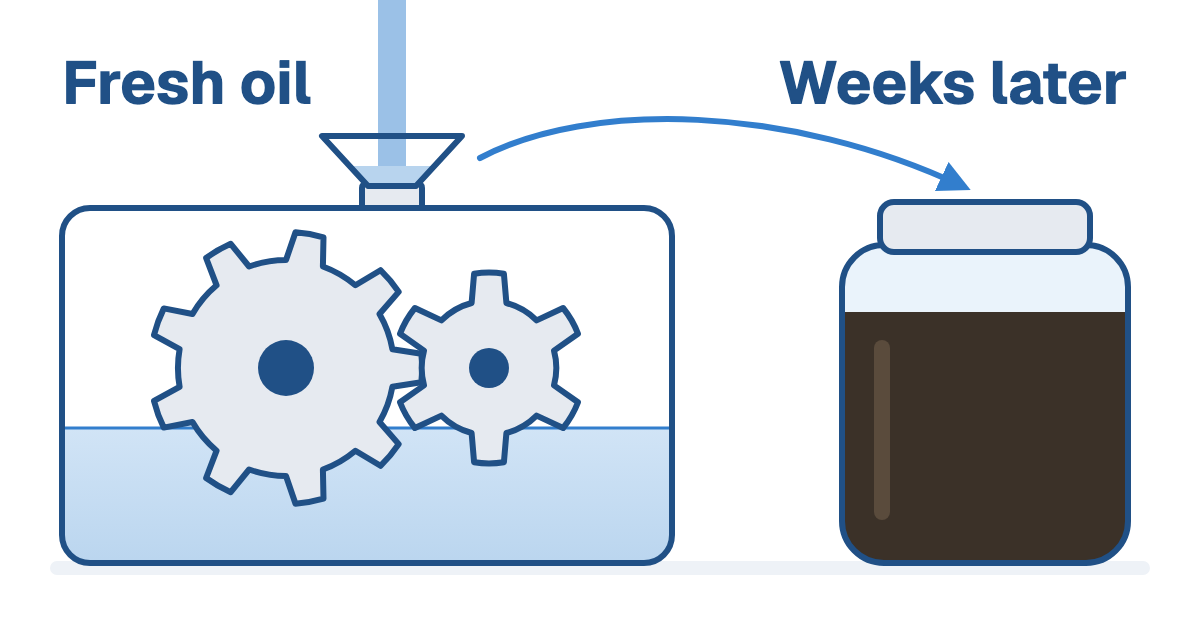
Why industrial gearbox oil turns black after an oil change
Trace recurring contamination before buying another oil charge. A wind-turbine gearbox case shows what offline filtration changed after a flush and refill.
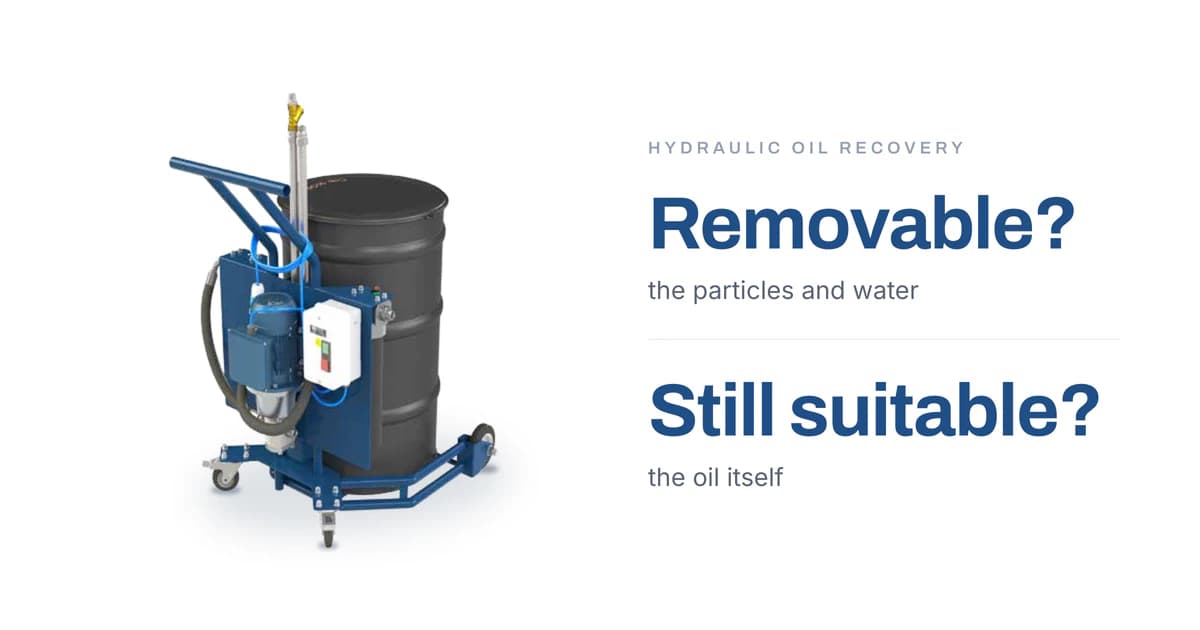
Contaminated hydraulic oil. Replace it or recover it?
Draining hydraulic oil during servicing does not settle whether it can be reused. Assess oil condition, contamination and the route back to the machine, with a Filtertechnik workshop case.
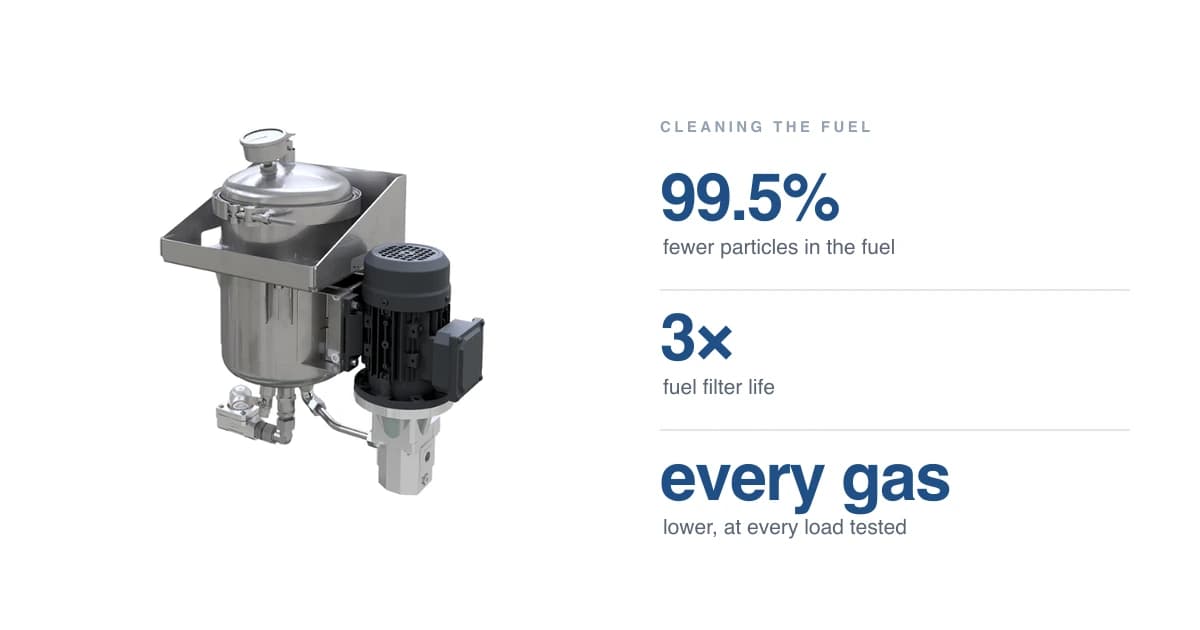
You Clean Diesel to Protect the Injectors. On One Crane, It Changed the Exhaust Too.
A port terminal conditioned the fuel on a dockside crane and measured the exhaust before and after. Every gas fell at every load tested, by between 6.7% and 72.4%, and filter life went up three-fold.
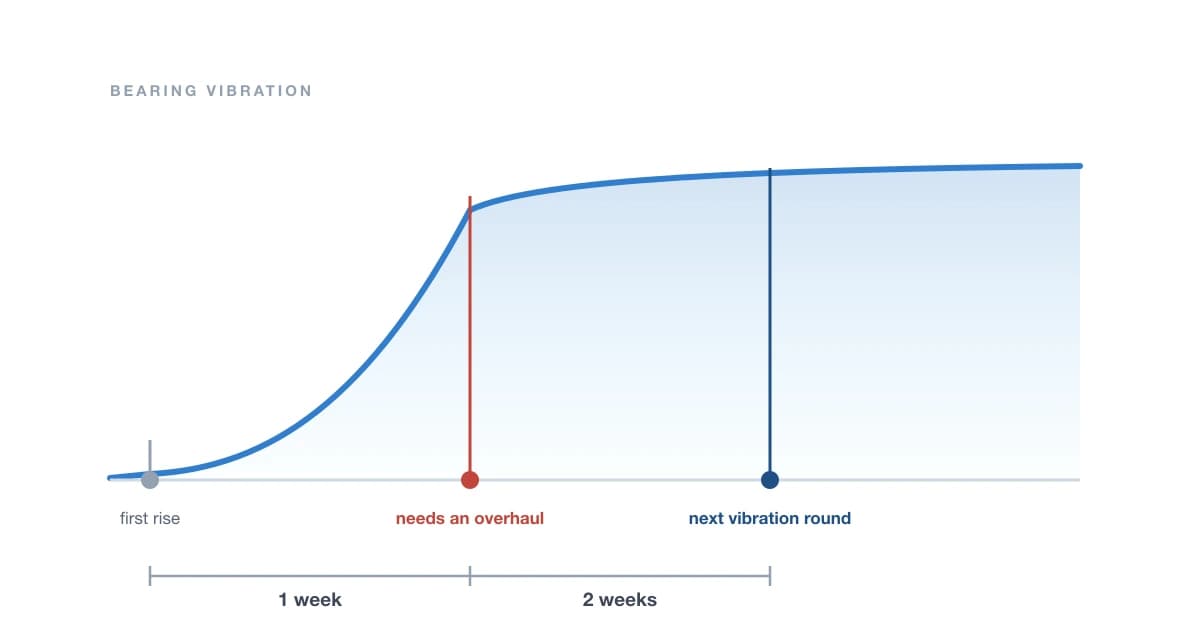
Your Vibration Route Runs Monthly. Some Faults Develop in a Week.
A periodic route is a sampling strategy, and the interval is a bet that no machine fails faster than the gap between visits. On one 200 kW fan that bet was one week against two.
Your Hydraulic Press Is Getting Slower. Check the Oil Before the Machine.
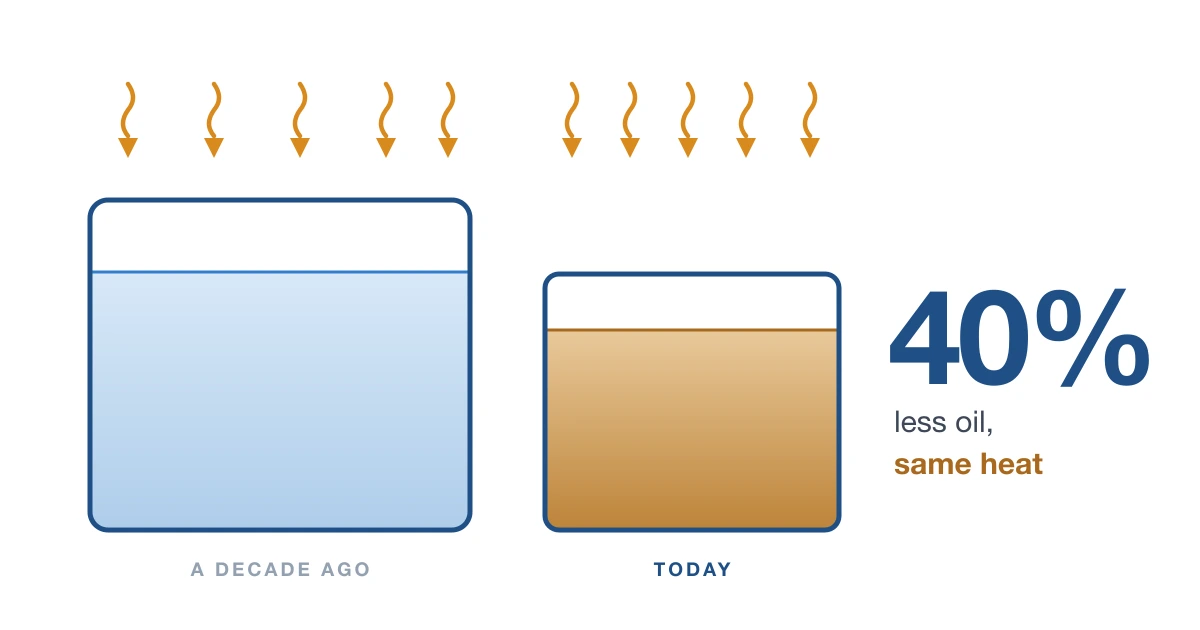
Slower cycles, drifting repeatability and a servo valve that sticks every morning read as machine wear. On three documented systems the cause was deposits in the fluid, and treating the fluid brought the production rate back.
Your Standby Generator Starts Every Month. Has Anyone Tested the Fuel?
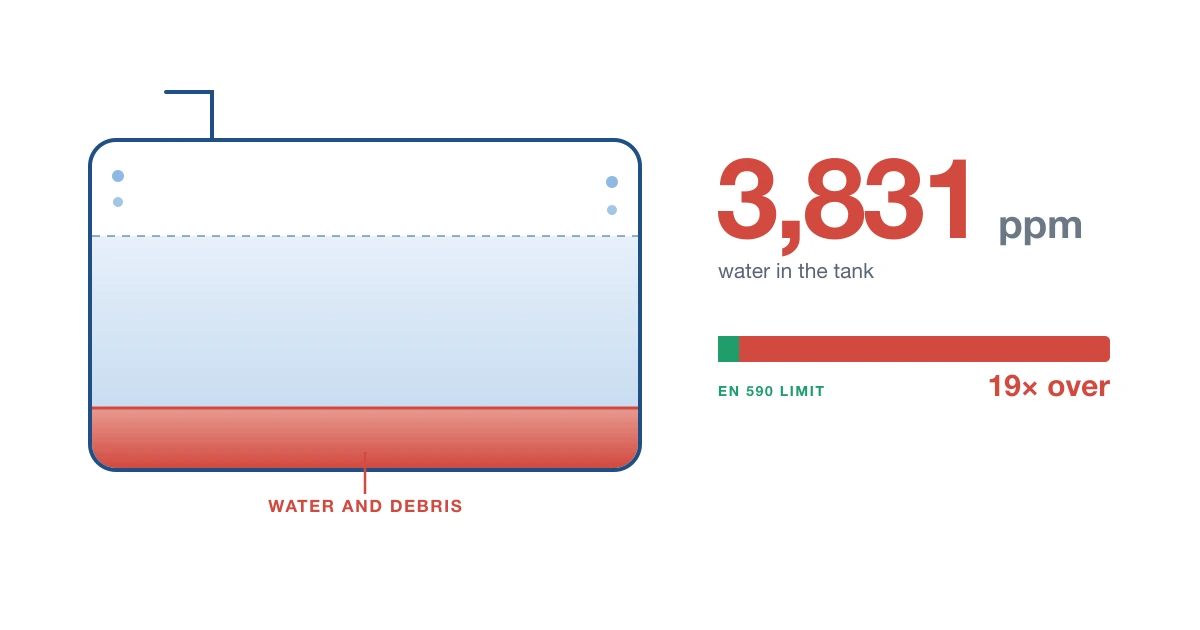
A monthly test run proves the engine fires. It does not prove the stored diesel can carry twelve hours of load. One data center measured 3,831 ppm water six days before it needed both generators, and the conditions that put it there are stronger across Egypt and Saudi Arabia.
Your Turbine Oil Report Says Normal. Did It Test for Varnish?
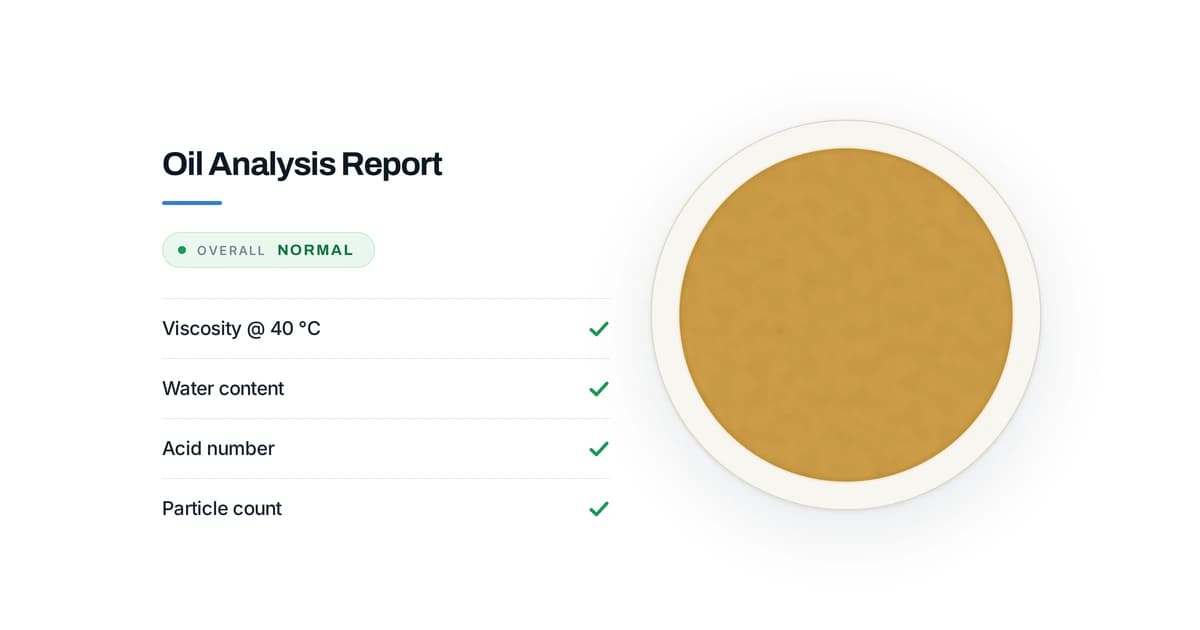
Viscosity, water, acid number, and particle count each answer a useful question. None tells you how much antioxidant protection remains or whether insoluble degradation products are building.
When a Sticky Governor Valve Trips a Fertilizer Train, Look Beyond the Valve.
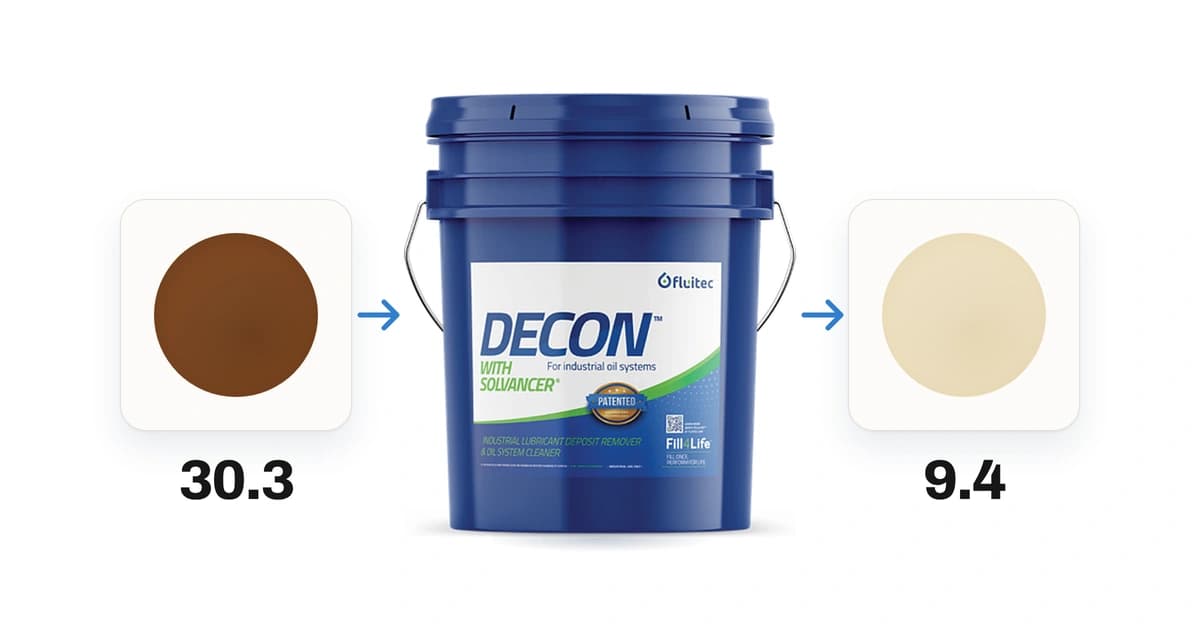
An Egyptian fertilizer plant traced repeat steam-turbine trips to varnish in the governor valve. Its MPC result fell from 30.3 to 9.4 after in-service treatment.
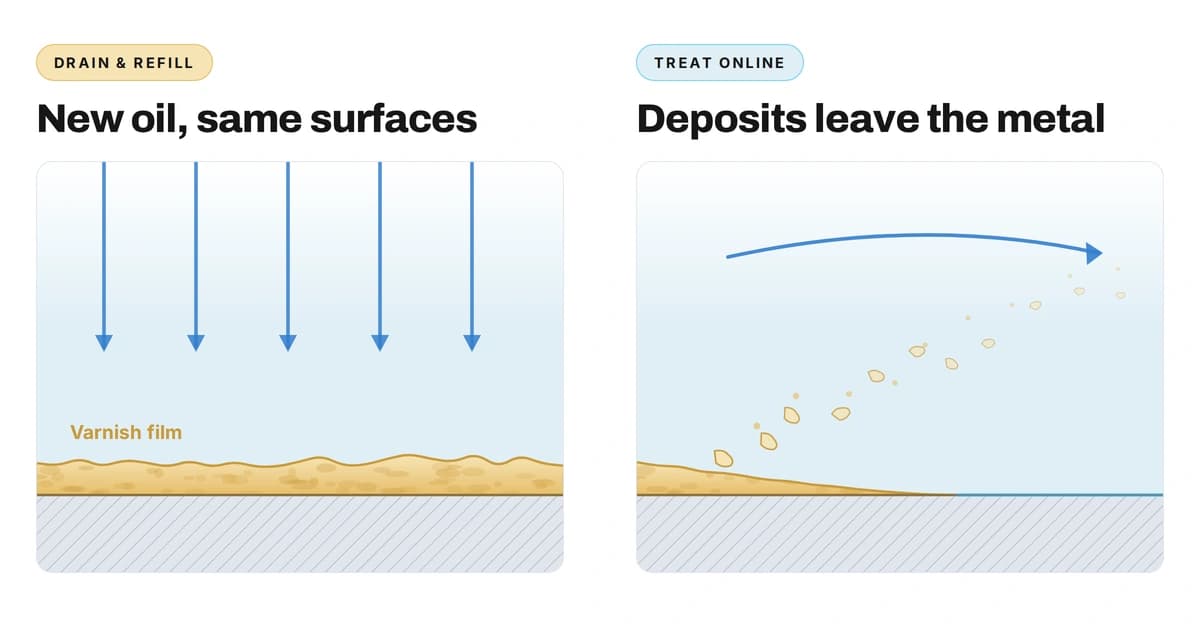
Changing the Oil Won't Fix Turbine Varnish. Here's What It May Cost You.
The fresh oil may be clean, but the system is not. Learn why varnish survives the default fix, where the cost hides, and what a condition-led response looks like.