
01 / The challenge
Depleted antioxidants put the next oil change in view.
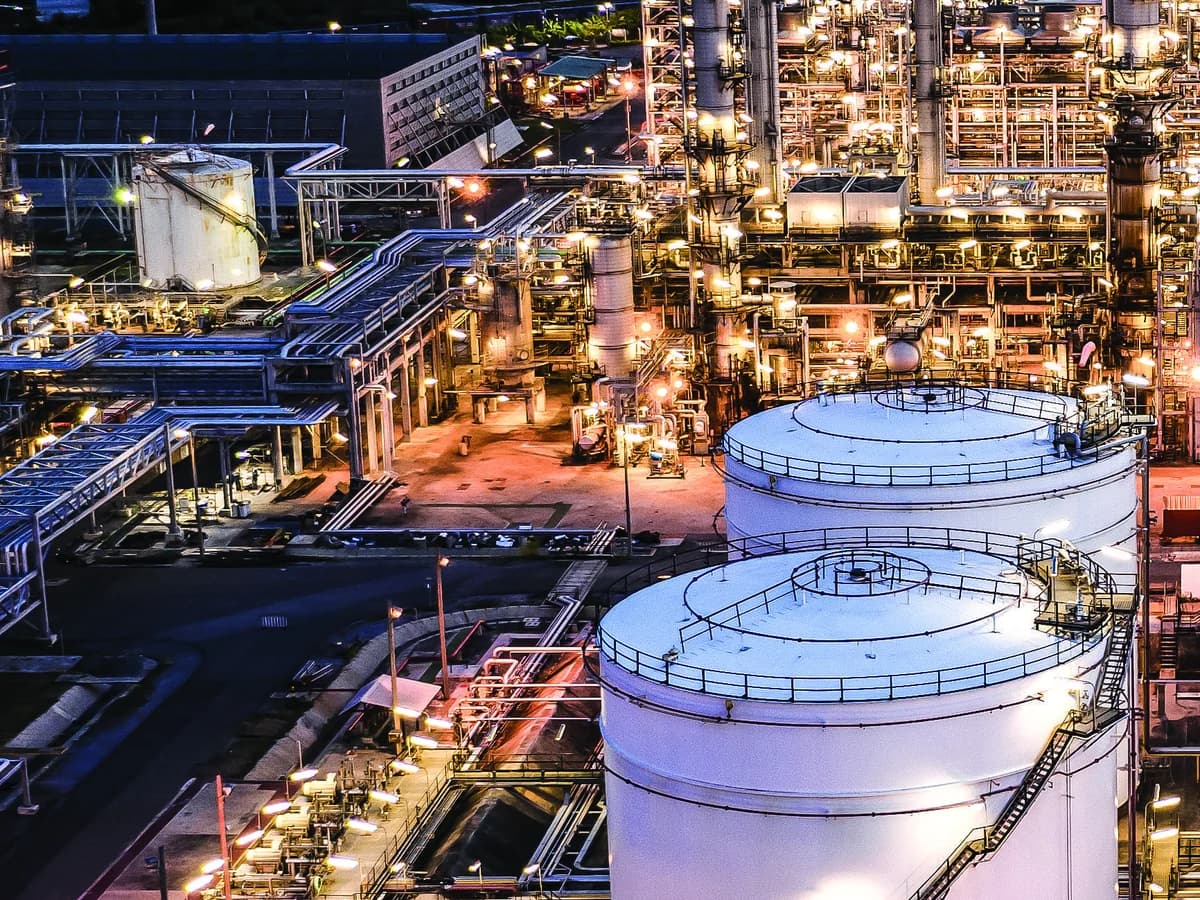
A major refinery in Spain found very low antioxidant levels in its gas-turbine oil. Phenolic antioxidant results were 35% and aminic results were 25%. At the same time, an MPC result of 27 indicated a deposit concern in the system.
The refinery faced a shutdown to flush the system and replace the lubricant. That would add maintenance work and oil replacement costs while interrupting operation. The team wanted to address the oil condition before it forced that decision.
The starting measurements covered different parts of the problem. MPC and RULER tests track varnish potential and the remaining antioxidant reserve respectively. Reviewing both gave the refinery a way to judge whether treatment was changing the properties that needed attention.
02 / The approach
Restore the existing oil and confirm the response.
Address the antioxidant reserve and varnish potential
The starting oil results showed two concerns. RULER testing recorded low phenolic and aminic antioxidants, while MPC was 27. The treatment needed to restore the antioxidant reserve and address deposits in the system.
Add DECON™ AO to the existing oil
The refinery added DECON™ AO at 3% in its gas turbines. Antioxidant results rose immediately and MPC decreased, allowing the refinery to continue operating without an oil flush or replacement.
Verify the change with follow-up tests
MPC reached 7 within one month. RULER testing showed higher phenolic and aminic antioxidant values, giving the team evidence of both lower varnish potential and a restored antioxidant reserve.
03 / The documented outcome
The oil stayed in service as both sets of results improved.
Within one month of adding DECON™ AO, MPC fell from 27 to 7. The reported phenolic antioxidant values rose from 35% to 66% and 68%, while aminic antioxidants rose from 25% to 100% and remained at that level during the reported follow-up.
The refinery continued operating without an oil flush or replacement. Fluitec reports no unexpected shutdowns and describes the system as varnish-free after treatment.
Fluitec reports US$258,000 in cost savings for the refinery.
- MPC varnish potential
- 27 → 7 within one month
- Phenolic antioxidants
- 35% → 66% and 68%
- Aminic antioxidants
- 25% → 100%
- Oil flush and replacement
- Avoided
04 / Applying the findings
Base an oil-life decision on the properties that need attention.
A low antioxidant result and a deposit problem call for an assessment of the whole lubricant condition. Check the oil history, equipment requirements, compatibility and operating symptoms before deciding whether the charge is suitable for continued use.
Our article on why an oil change may not resolve turbine varnish explains the role of deposits left inside the system. This refinery case shows how one treatment addressed both varnish potential and the depleted antioxidant reserve.
For another turbine, agree the starting tests, the properties to improve and the follow-up interval. The offshore turbine oil-life case shows a complementary approach with quarterly monitoring after treatment. The refinery's 3% treatment rate belongs to this application; another system needs its own assessment.