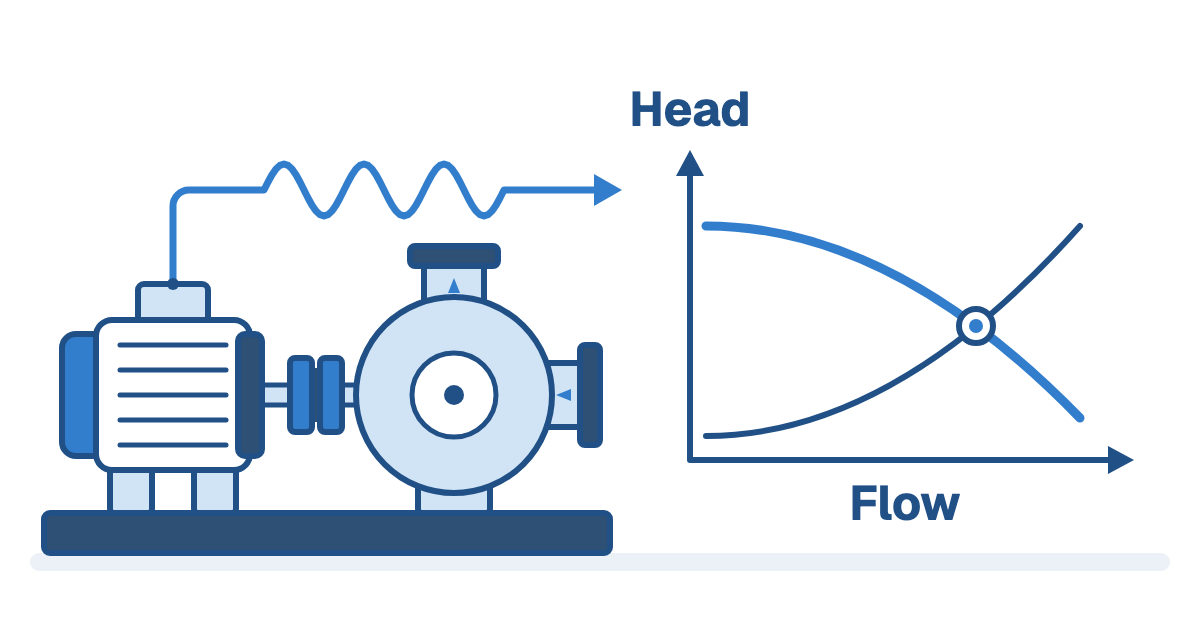
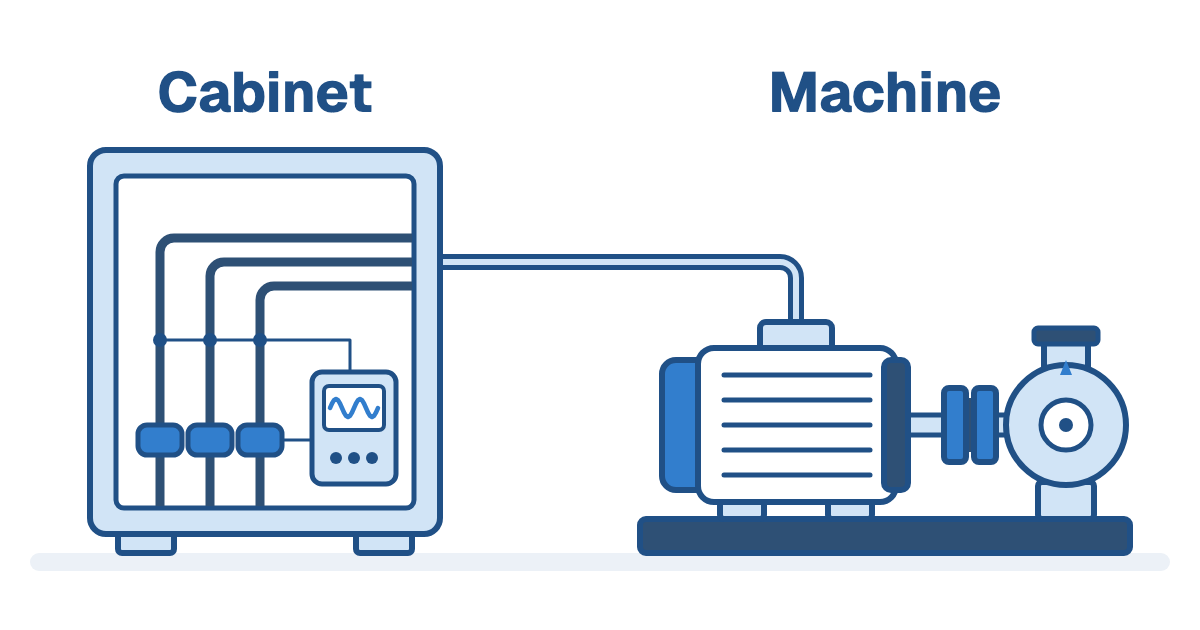
The motor is in a difficult location, the pump is hard to approach while running and the team wants continuous condition information. Sensorless condition monitoring offers a way to observe electrical signals at the cabinet. The word sensorless needs explaining before it becomes an installation assumption.
In the Artesis approach, voltage and current measurements feed a model of operating behaviour. Later measurements are compared with that reference to identify changes concerning the motor, supply or driven equipment. No sensor needs to be mounted on the machine for this method, but electrical measurement connections and current transformers remain necessary.
The maintenance value comes from a finding the team can investigate. A coloured status alone does not establish the component to replace.
What the system measures
Artesis' e-MCM catalogue describes continuous measurement of the electrical supply and comparison with a reference model learned during operation. Its monitoring scope includes electrical quantities and indications associated with mechanical and process conditions.
Keep the measurement and the interpretation separate. Voltage and current are acquired signals. An indication concerning alignment, a bearing or pump operation is an interpretation of those signals in the system's model. Confirming that indication may require inspection or another measurement.
This is a different observation from a vibration sensor attached to a bearing housing. Electrical and vibration evidence can support the same investigation while describing different parts of the machine's behaviour. Our explanation of motor tests while stopped and running helps place these measurements in a broader diagnostic plan.
Sensorless still needs an installation
Artesis calls e-MCM sensorless because its method does not require sensors on the motor or driven machine. The catalogue nevertheless shows current transformers, voltage connections, power supply and communication terminals in the cabinet installation.
Ask which cabinet and electrical point the proposed system will use. Confirm the motor supply, drive arrangement, measurement ratings and installation constraints with the responsible engineering team. A system connected to one point should not be assumed to cover equipment or faults outside the agreed measurement scope.
Network access is another engineering choice. The catalogue describes local and networked arrangements. Remote visibility depends on the selected communication architecture and site requirements; it is not evidence that the monitoring unit has an inherent wireless connection or an approved cybersecurity design.
The reference needs representative operation
A learned reference gives later measurements a comparison basis. Ask what operating states the learning process covered and whether the equipment condition was understood at that time. Learning during an unresolved concern does not independently prove that the reference represents a healthy machine.
Record speed, load, process duty and changes in operation alongside the findings. A shift after a drive-setting change deserves different questions from a change during otherwise comparable duty. The objective is to distinguish a change in operation from an indication requiring maintenance.
Ask how the proposed arrangement handles your duty. Frequent starts, speed changes and intermittent operation should form part of the suitability discussion. Do not infer that support for a drive type means every operating pattern will provide equally useful diagnostic evidence.
Choose the asset and the question
The e-MCM catalogue describes three-phase motors and their driven equipment. Artesis has a separate e-PCM catalogue for three-phase generators and their prime movers. These are related measurement approaches, but product selection must match the asset and application.
For a motor-driven pump, decide whether the priority is an electrical concern, a developing machine indication or understanding pump duty. A broad list of fault categories is useful for discussion. It does not establish demonstrated detection performance for every fault on your equipment.
If pump energy and performance are the priority, read pump performance from electrical signals. That article distinguishes calculated flow and head, field measurements and a proposed energy-saving change.
Turn an alert into an investigation
Request the asset, time, operating conditions, trend and supporting signal information for a finding. Then ask which suspected cause the evidence supports and what check would confirm it. This gives the planner a defined investigation instead of a generic instruction to examine the motor.
Keep the diagnosis open until the confirmation is adequate. The catalogue names bearing, alignment, supply and process indications, but its broad coverage list is not a field inspection record. A repair decision needs evidence appropriate to the suspected component and consequences.
After maintenance, compare observations under suitable operating conditions and keep the repair record beside the trend. An improved monitoring status helps review the intervention; the responsible team still needs enough evidence to judge the repair and subsequent operation.
Prepare a monitoring brief
Share the motor ratings, drive type, duty, cabinet arrangement and any existing protection or monitoring. Include the recurring symptom and the evidence already collected. State who will review findings, who can perform follow-up checks and what maintenance decision the system should support.
NATCOM can discuss electrical condition-monitoring selection around those inputs. The most useful starting point is an asset and a question, followed by an installation and response plan the site can actually use.

Frequently asked questions
No. In the Artesis method, no sensor needs to be mounted on the machine, but current transformers and voltage measurement connections remain at the electrical cabinet.
Artesis describes voltage and current acquisition and comparison with a learned operating reference. The system interprets changes to provide electrical, mechanical and process indications for investigation.
The methods observe different signals. Choose them around the asset and diagnostic question. An electrical indication may need vibration, inspection or another measurement to confirm the suspected cause.
It supplies a reference for later comparisons. Record the operating states and equipment condition represented during learning, and review later findings alongside speed, load and process changes.
An alarm prompts investigation. Review the trend, operating context and supporting evidence, then confirm the suspected cause before selecting the repair.