
01 / The challenge
Every morning brought another valve problem.
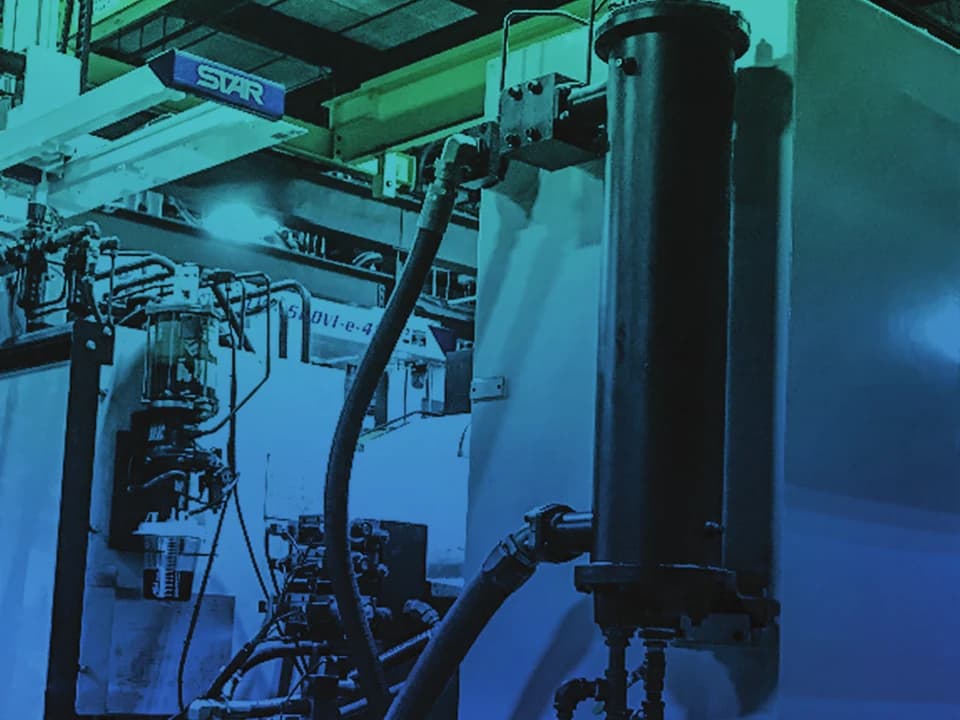
A manufacturer of everyday plastic products operated a 1,000-ton injection moulding machine with persistent hydraulic oil varnish. Servo valves frequently seized during morning start-up. Replacing them had become routine, cutting the time available for production.
The cooling circuit had a second problem. A plugged heat exchanger allowed the hydraulic oil to run at 60°C, and inspection found brown, sticky varnish on internal surfaces. The deposits were affecting both machine response and heat transfer.
The plant needed the machine to start reliably and the oil to cool properly. Treating the in-service oil allowed the response to reach the hydraulic circuits and the deposits inside the machine.
02 / The approach
Restore fluid condition and follow the machine response.
Treat the oil while the machine runs
DECON™ was added to the hydraulic reservoir during operation to dissolve varnish and reach deposits inside the system. The work addressed the fluid condition behind the repeated valve and cooling problems.
Check varnish potential after treatment
Membrane patch colorimetry, or MPC, fell from 40 to 11 within 2.5 hours. This test follows the colour of deposits collected on a membrane as an indicator of varnish potential.
Check cooling and start-up behaviour
Within 24 hours, the heat exchanger was working again and reservoir temperature had fallen from 60°C to below 37°C. Follow-up also tracked start-ups, servo-valve replacement and the condition of internal components.
03 / The documented outcome
Reliable starts returned as the oil cooled.
The first measured change came within 2.5 hours, when MPC fell from 40 to 11. Within 24 hours, the heat exchanger had resumed working and reservoir temperature was below 37°C. The machine then started immediately, with no further servo-valve replacements in the reported follow-up.
Fluitec records a 5% productivity increase, described in the account as more daily operating time, and a 14% reduction in maintenance hours devoted to machine start-up. Inspection of components and system internals found no deposits.
The operating benefit was straightforward. Less start-up work left more time for production, while restored cooling reduced the oil's operating temperature.
- Varnish potential
- MPC 40 to 11 within 2.5 hours
- Reservoir temperature
- 60°C to below 37°C within 24 hours
- Productivity
- 5% increase reported
- Start-up maintenance
- 14% fewer maintenance hours
04 / Applying the findings
Measure start-up losses as well as oil condition.
For a moulding machine with recurring valve seizures, record how long start-up takes, how often valves are replaced and how reservoir temperature changes through the shift. Bring those records together with oil-analysis results and any photographs of deposits.
The assessment should connect the maintenance symptom with the fluid evidence, then establish treatment suitability and a follow-up plan. This case checked the early oil response and the machine's cooling and start-up behaviour. A repeat sample and an operating trend give a stronger basis for continued use than a single improved reading.
Our explanation of servo-valve sticking and hydraulic oil varnish covers the wider diagnostic question. The aerospace forging press case shows a related production loss, where deposits slowed the rams and made press response inconsistent.