
01 / The challenge
The oil showed degradation early in the plant's life.
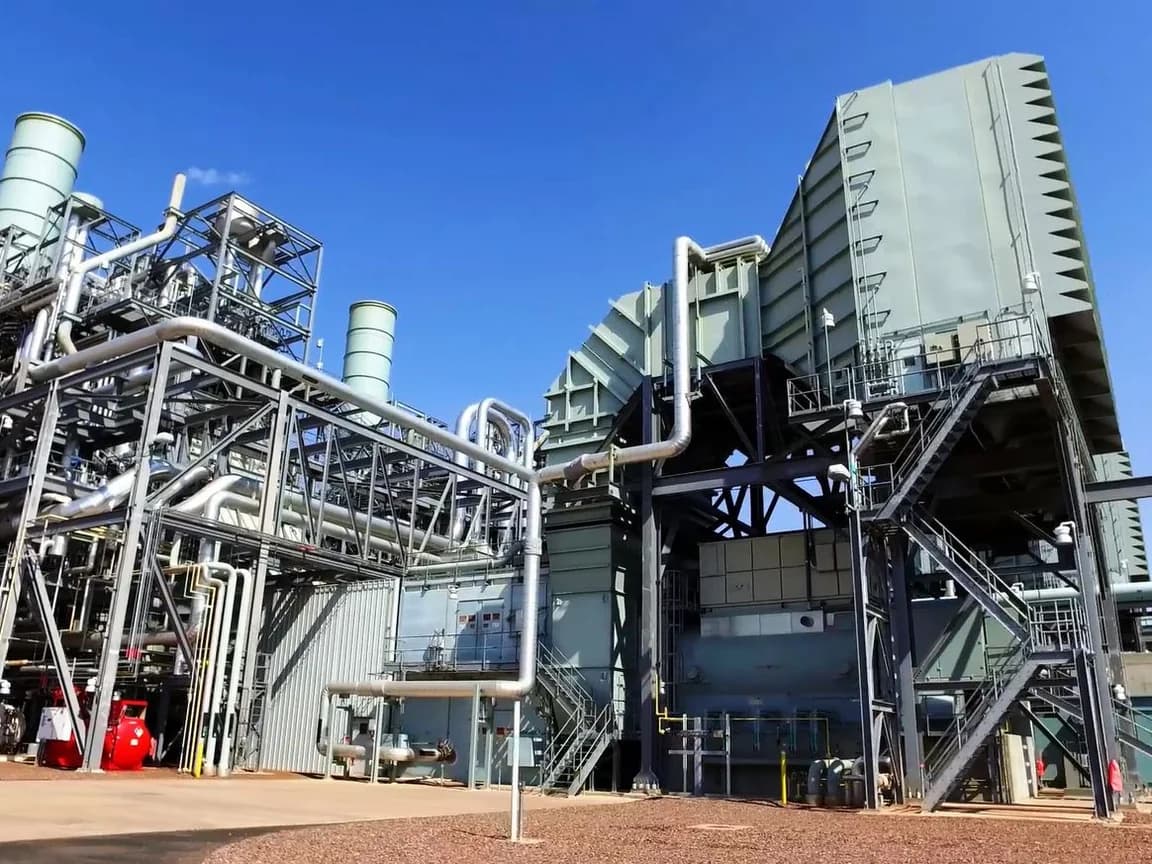
At a public utility's combined-cycle power plant in Arizona, oil analysis identified high varnish potential and depleted antioxidants. The operations team recognised the implications for turbine reliability. Deposits and deteriorating oil condition could lead to sticking valves, elevated bearing temperatures and interruptions to generation.
Replacing the oil would carry its own cost and maintenance work. The team wanted to avoid lubricant-related trips while preserving oil that could remain useful. That called for a closer look at which properties needed treatment and whether the fluid qualified for it.
02 / The approach
Restore the oil's protection and keep measuring its condition.
Read the oil's condition before choosing the response
Membrane patch colorimetry, or MPC, identified high varnish potential. RULER and rotating pressure vessel oxidation testing, or RPVOT, showed depleted antioxidant protection. Together, the results explained why the team was concerned about the oil.
Control varnish, then replenish qualified oil
The operations team worked with Fluitec to remove and control varnish contamination. Once the oil qualified for antioxidant replenishment, they used Boost AO to restore the depleted additives.
Keep the decision under review
Routine oil analysis followed the lubricant through continued operation. The team used those results to monitor its condition while the original charge remained in service.
03 / The outcome
More than ten years of service from oil the plant kept using.
In Fluitec's 2020 account, the operations supervisor reported that the oil had remained in service for over a decade without a change. Routine testing continued throughout that period, supporting the team's decision to keep using the treated lubricant.
The supervisor reported over 50,000 gallons of oil saved by avoiding replacement, about 190,000 litres. The value came from extending the working life of the oil while continuing to check the properties that mattered to the turbines.
- Oil service life
- Over a decade without an oil change
- Reported oil saving
- Over 50,000 gallons, about 190,000 litres
- Lubricant protection
- Depleted antioxidants replenished
- Follow-up
- Continued use supported by routine oil analysis
04 / Applying the findings
Base the oil-change decision on condition and operating history.
For another turbine, start with the lubricant identity, service history and full oil analysis trend. Establish whether deposits, contamination or antioxidant depletion are driving the concern. An oil-specific assessment can then determine whether continued use, treatment or replacement fits the machine's requirements.
Where varnish is present, turbine oil varnish removal and any additive replenishment need to form part of the same maintenance plan. Agree on the starting measurements, compatibility checks and follow-up before intervention. Our guide to MPC and RULER testing schedules explains how to keep the condition trend useful as the oil continues in service.
If replacement has already been recommended, use these questions for your oil supplier to establish what has failed, what treatment could restore and what would justify the next decision.