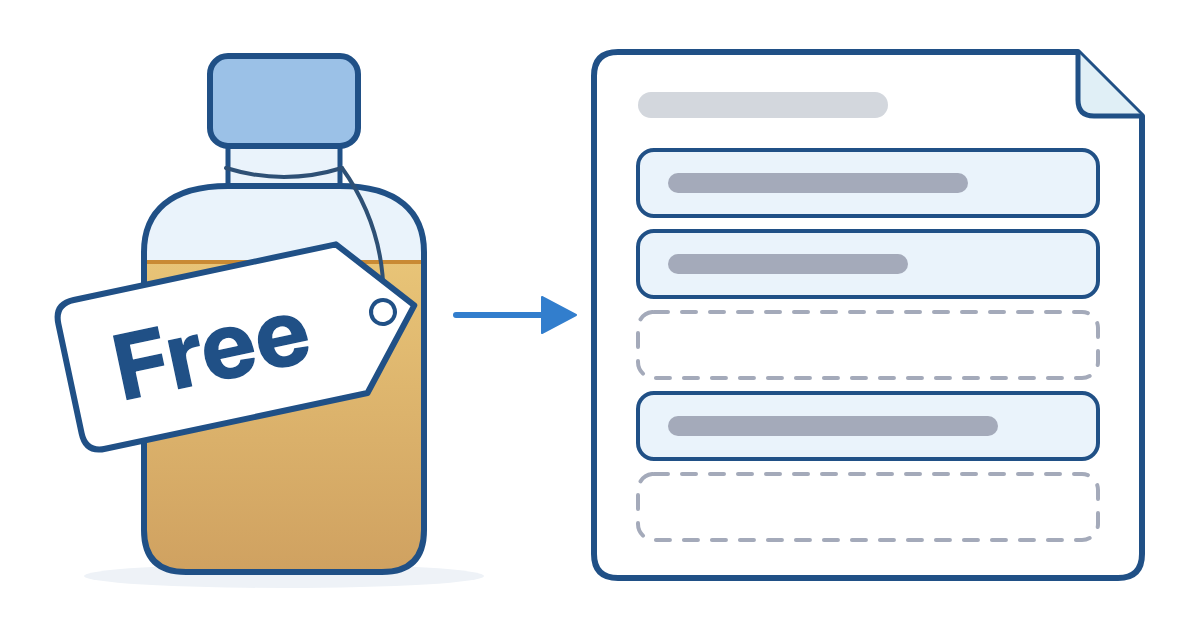

Your oil supplier recommends a full turbine oil change. The quotation arrives, a shutdown window is discussed, and the maintenance team starts preparing. Before the purchase order moves, one question deserves a written answer. What evidence shows that replacement is the right decision for this oil, in this machine, now?
A longstanding supplier relationship can make that question feel awkward. It should not. The supplier sells lubricant. The plant carries the operating risk, pays for the intervention and lives with the result. Those interests can align, but they are not automatically identical. Trust should give engineers access to better explanations, without making technical questions feel disloyal.
A supplier earns revenue when the plant buys replacement oil. A successful oil life-extension program can postpone that purchase. The plant needs an engineering assessment of whether replacement is necessary. Requesting it is part of the engineer's job, even when the recommendation comes from a supplier the team knows well.
What condition justifies replacement, and how soon?
Start with the reason for the turbine oil replacement recommendation. Is it contamination, loss of antioxidant protection, lubricant degradation, a specific equipment requirement, or several problems together? Ask which measurement establishes the concern, what reference or limit applies, and why that limit fits this oil and duty.
Then ask for the trend. Review earlier results, sampling consistency, oil additions, operating changes and maintenance events. If the conclusion rests on a sudden change, establish whether the sample and method are comparable before explaining the cause. One sample records one moment.
Is replacement required now, before the next outage, or when a defined condition is reached? Ask what evidence supports that timing and what change would require earlier action. Distinguish an applicable equipment requirement from the supplier's recommendation, and document the basis for each. The team needs to know both why it should act and how much time it has.
For deposit and antioxidant concerns, our guide to reading turbine oil reports and varnish tests explains what the measurements establish. Ask the supplier to connect those results to the machine: bearing temperatures, valve response, filter behaviour and inspection findings. An oil decision needs both sides of that picture.
Which alternatives address the actual problem?
Ask whether contamination control, water removal, deposit treatment or antioxidant replenishment could address the measured problem, and why each relevant option was accepted or rejected. Replacement remains appropriate when the oil cannot be restored to the required condition. A proposal to extend turbine oil life needs to identify what is recoverable.
Depleted antioxidants may be replenished when the underlying oil remains suitable and the proposed formulation passes qualification. Adding antioxidants cannot repair damaged base oil. Removing particles also does not establish that the remaining chemistry is suitable. Ask which properties were checked to support continued use, rather than accepting a cleaner appearance as proof.
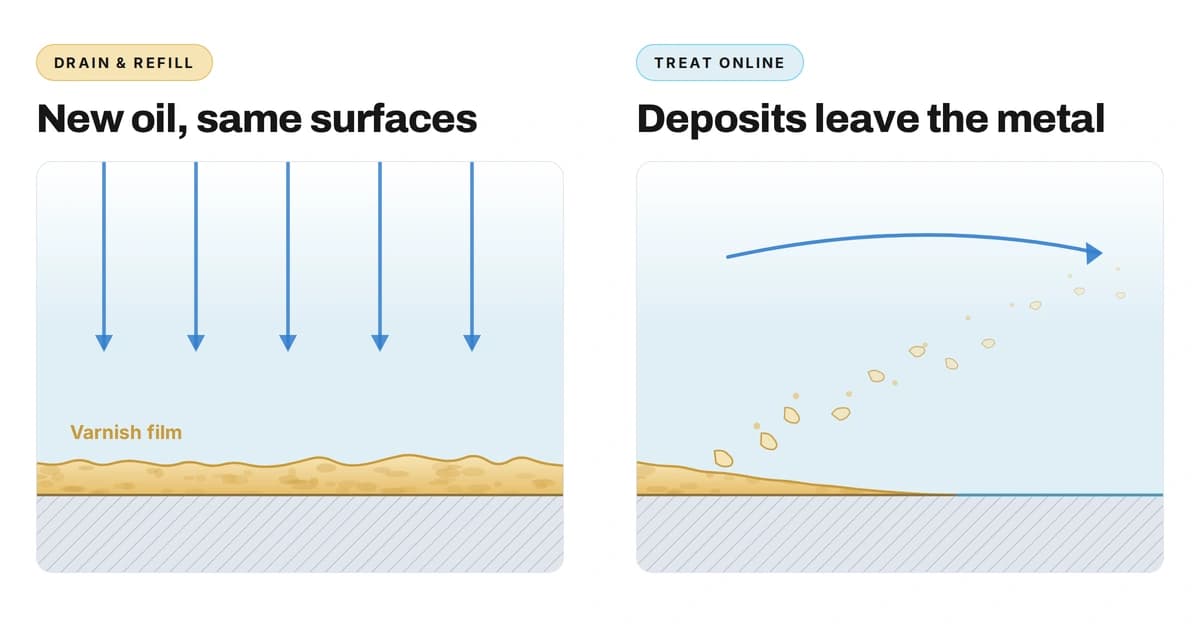
Replenishing antioxidants does not correct continuing water ingress or a mechanical fault. If deposits already exist inside the system, ask how the replacement plan will address them. Read why an oil change can leave turbine varnish behind before treating fresh oil as a complete cleaning strategy.
Ask for the exact compatibility or approval concern
If a proposed alternative is rejected because it might affect compatibility or an equipment warranty, take that concern seriously and request the specific requirement in writing. Identify the oil, machine, treatment and supporting document. A general objection is a starting point for technical review, not a complete comparison of the options.
The same discipline applies to treatment suppliers, including NATCOM. Fluitec, our technology partner, offers DECON™ AO to treat deposits and replenish antioxidants in qualified in-service oils. Its formulation and treatment rate depend on the original lubricant and current condition. Compatibility and simulation testing qualify the proposed combination. Those findings must be read alongside the equipment requirements; they do not create blanket manufacturer approval or an automatic warranty extension.
Fluitec documents one Spanish refinery that continued operating without its planned flush and oil change after DECON™ AO treatment. Its MPC varnish-potential result fell from 27 to 7 within one month, alongside restored antioxidant readings. Applying that approach elsewhere starts with qualifying the actual oil and system.
Ask what the complete job will cost
Compare proposals against the same starting condition and operating objective. The cost of new oil is only one line. Include any shutdown, draining, cleaning or flushing, handling, disposal, filters, restart checks and follow-up testing required by the plan. Use your site's figures and make assumptions visible. A lower purchase price can still leave a more expensive maintenance job.
A treatment proposal needs the same accounting. Include the assessment, equipment or consumables, supervision, monitoring and any remaining work. Ask what result the supplier expects, when it will be measured and what happens if the trend does not improve. A cheap intervention with no acceptance criteria is difficult to judge after the money has been spent.
Ask who will own the decision and the follow-up
Put the recommendation, alternatives and uncertainties into one technical review. Maintenance, reliability and operations should agree what the machine needs; procurement can then compare the commercial offers against that scope. Record who accepts the decision and who will review the next results. Supplier advice is valuable, but the plant should retain ownership of its maintenance strategy.
Two related questions deserve their own review. If the recommendation relies on an included testing package, check whether that oil analysis program provides enough information. If the concern is unused stock past its label date, ask about lubricant recertification and shelf-life reassessment. Stored oil and operating oil need different decisions.
Bring NATCOM the recommendation, equipment details and oil report history for an oil condition assessment. The useful outcome is a defensible maintenance decision. Approve the oil purchase when the evidence supports it. Keep a technically qualified alternative in consideration when it does not.

Frequently asked questions
Replacement is appropriate when the oil no longer meets the application's requirements and a qualified corrective treatment cannot restore suitability, or when an applicable equipment requirement calls for it. Antioxidant replenishment cannot repair damaged base oil. Agree the urgency using the condition trend and operating evidence rather than oil age alone.
Yes. Ask for the measured reason, trend, applicable requirement and alternatives considered. A sound recommendation should withstand technical questions. Keep the discussion about the plant's evidence and operating needs, and apply the same standard to a company proposing treatment or oil life extension.
Qualified oils may be candidates for application-specific antioxidant replenishment. Fluitec DECON™ AO combines deposit treatment with antioxidant replenishment, with formulation, compatibility and simulation testing used to qualify the actual oil. This is not a universal remedy or blanket approval for every turbine.
No. Compatibility evidence describes the tested oil and treatment combination. Equipment requirements, approval conditions and warranty obligations are separate matters that need written clarification for the application.