A hydraulic system has repeated filter problems. A gearbox report shows rising particles. A turbine sample raises a water concern. All three may lead to a search for the best oil analysis lab for contamination detection, but they do not necessarily need the same tests.
Choose a laboratory by how well its proposed methods answer your equipment's question. The useful comparison covers the contaminants being investigated, the suitability of the methods, sample quality, reporting limits and interpretation. A long test list has value when the results support the maintenance decision you need to make.
Start with the contamination you need to investigate
Describe the equipment, exact lubricant and symptom before requesting a package. Sand or dust, water, wear particles and another fluid entering the oil raise different questions. The Spectro Scientific oil-analysis handbook separates measurements for contamination, machine wear and lubricant degradation, and shows different test requirements for engines and other rotating machinery.
Use that distinction when comparing proposals. An engine-oil package designed to investigate fuel dilution or coolant entry is not automatically the right scope for a hydraulic system. Ask each laboratory to connect the proposed tests to your asset and concern.
Swipe across the table to read all columns.
| Concern | Evidence to discuss | What needs separate assessment |
|---|---|---|
| Solid particles | Particle count and size distribution; examination of captured material where useful. | Water and chemical condition; a count alone does not identify every particle. |
| Water | A suitable water test with its method, units and sample context. | The entry route, distribution in the system and other oil properties. |
| Metallic debris | Elemental analysis and relevant particle examination, including the size range covered. | The component and wear mechanism responsible. |
| Another fluid | Targeted testing for the suspected fluid, such as fuel or coolant in an engine application. | Whether the routine package actually includes that investigation. |
Check that the method suits the oil and sample
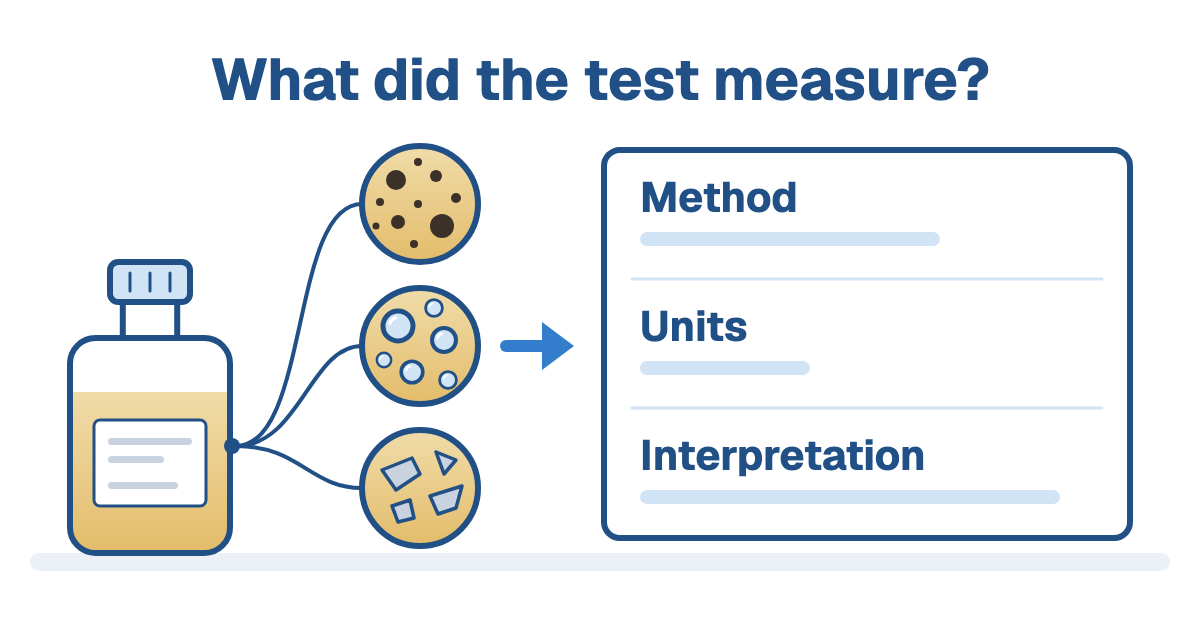
Two reports can both say particle analysis while describing different work. Filtertechnik's contamination handbook uses microscope images of membrane patches to help estimate contamination and recognise material such as metal, silica and fibres. It explicitly distinguishes that visual estimate from the exact counts supplied by an automatic particle counter.
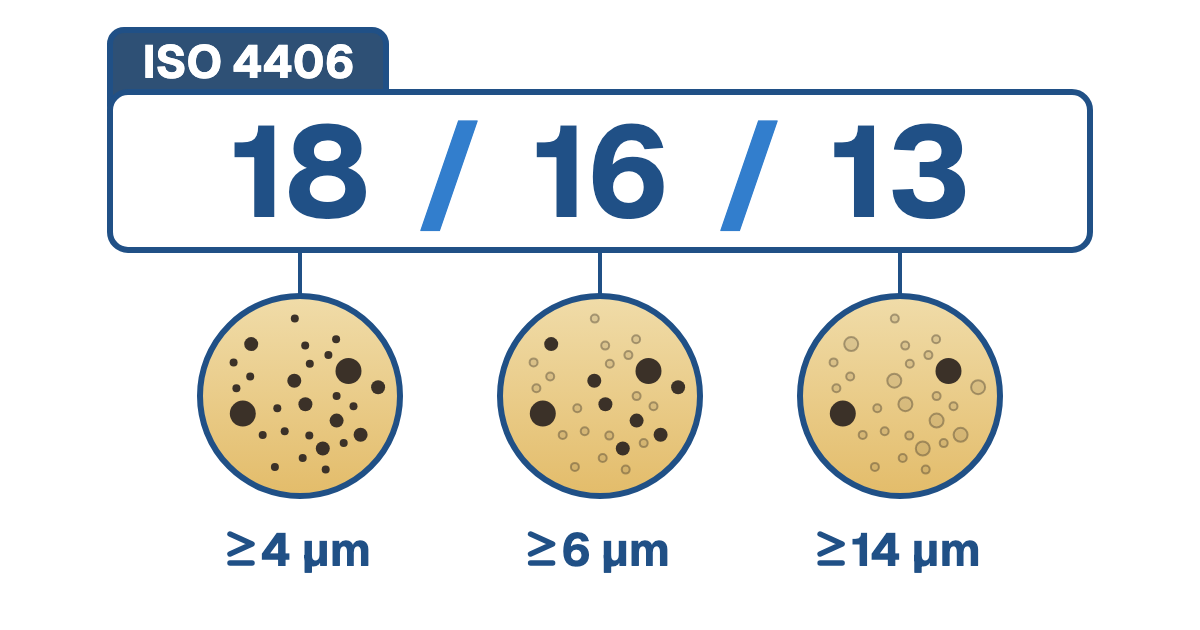
Neither description should be lost in the quotation. Ask whether the result is a measured count, a visual assessment or a particle classification. If you need an equipment cleanliness requirement checked, confirm how the laboratory will measure and report it. Our ISO 4406 guide explains what the cleanliness code represents.
Sample condition can also affect the choice. In an Atten2 partner case, air bubbles interfered with conventional particle counting on a gearbox test bench. Incotech integrated digital imaging that distinguished bubbles from particles. The account reports improved testing in that application, without a numerical before-and-after cleanliness result. The buyer lesson is to ask how a method handles known interference in your oil, rather than treating every high count as either dirt or air.
Keep contamination, wear and degradation separate
Finding particles is the beginning of an investigation. Material may have entered from outside or formed through wear inside the system. The handbook distinguishes fine-metal measurements from methods intended to examine larger wear particles. Ask what particle sizes the proposed work covers when metallic debris is the concern.
Oil degradation is another question. Viscosity, oxidation and acidity results describe properties that a solid-particle count does not establish. A lower count after filtration therefore does not, by itself, establish that the oil is suitable for continued service or that a wear problem has stopped. The interpretation should explain which findings support cleanup and which need further machine or lubricant assessment.
Read a sample report before choosing the laboratory
Request an example report for a similar oil and application. Look for named methods, units, sample identity, previous results and the basis for an alert. Ask what a result marked not detected means, which reporting limit applies and whether the method can answer your particular concern. A useful report should make the boundaries of its conclusion clear.
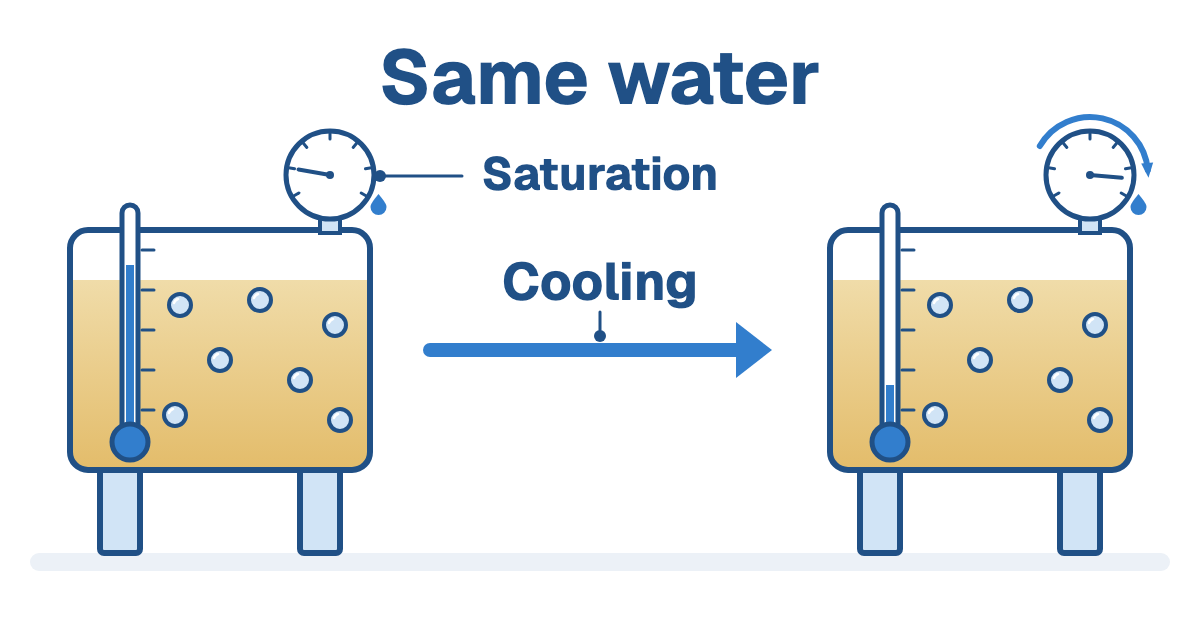
Water reporting is a practical example. Some instruments report percentage saturation, while a laboratory result may give water concentration in parts per million, or ppm. Those values describe different things. Confirm what was measured and how it should be interpreted; our guide to water concentration and saturation explains the distinction.
Also establish who reviews an unexpected result, what information they need and how they distinguish a confirmed finding from a possible cause. A laboratory can report the sample result while further evidence is still needed to locate the fault in the machine.
Make repeatable sampling part of the scope
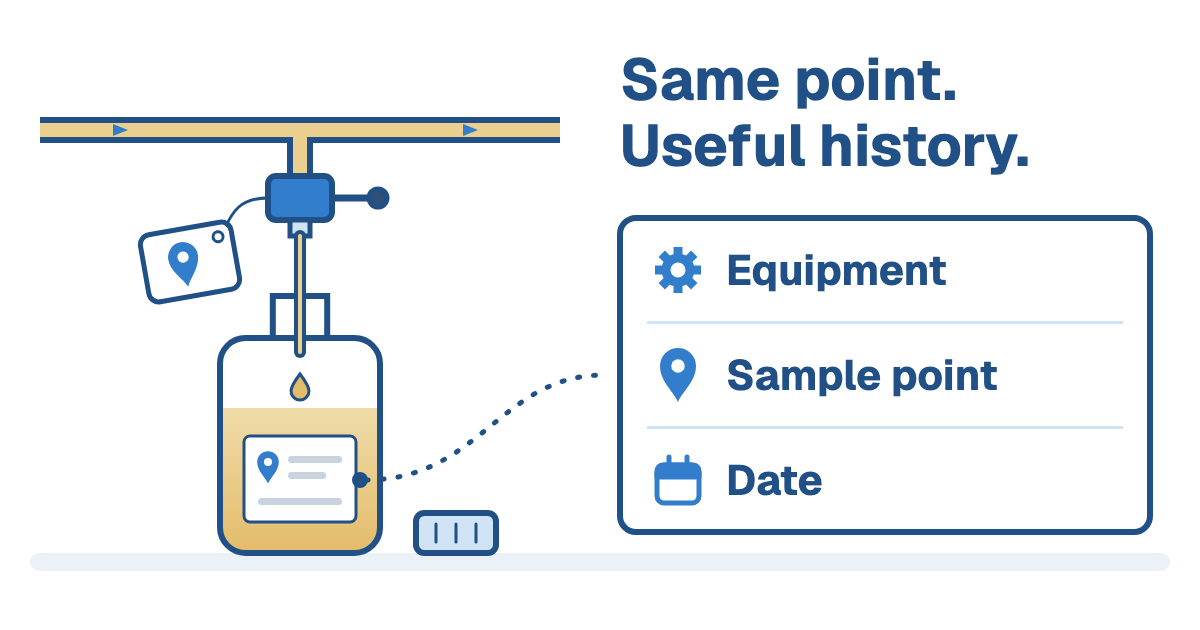
A laboratory receives the oil in the bottle. It needs your help to understand what that bottle represents. Agree the sample point, collection conditions, suitable container and handling before testing begins. Record oil additions, filter changes and other maintenance that may affect comparison with earlier results.
Keep routine samples consistent enough to build a useful history. Identify a separate diagnostic sample by its purpose, such as examining material from a particular location. One result is a snapshot; trends and machine evidence support the maintenance conclusion. Follow the industrial oil sampling guide when preparing that plan with the laboratory and site team.
Use the same short checklist with each provider
Send each laboratory the same equipment details, lubricant identity, symptom and previous report. Then compare its written answers to these questions:
- Which contaminants will the proposed tests investigate, and what remains outside the scope?
- Are the methods suitable for this oil, particle size range and expected sample condition?
- Which results, limits and explanations will appear in the report?
- How will sampling, previous results and maintenance history support interpretation?
- Who performs each test, reviews alerts and agrees the next investigation with your team?
NATCOM's oil analysis service includes a report example and a NATCOM / Other labs comparison of the evidence to request. Share your current report and the contamination concern before selecting a package. That gives the discussion a specific purpose: establish what the evidence already shows and which measurement would make the next maintenance decision better.

Frequently asked questions
Look for a defined test scope for your equipment and lubricant, suitable methods for the suspected contaminants, clear reporting limits, sampling guidance and interpretation against previous results. Ask to see a sample report and confirm which work the laboratory performs itself or sends elsewhere.
No. An ISO 4406 code describes solid-particle count bands. Water, another fluid, lubricant degradation and the nature of wear debris may need different measurements. Choose the tests around the machine and the concern being investigated.
A patch can help a trained analyst examine the amount and appearance of captured material. A visual estimate is not automatically an exact particle count. Ask how the laboratory produced the reported result and whether that method meets the requirement you need to assess.
No. Parts per million describes water concentration. Percentage saturation describes water relative to the oil's capacity to hold it dissolved under the measurement conditions. Keep the method, units and temperature context with the result; do not use a universal conversion between them.
Provide the equipment identity, lubricant product and grade, sample point, collection date, operating condition, oil and machine hours where known, recent oil additions or maintenance, previous results and the problem you want investigated. Confirm the laboratory's bottle, sample quantity and handling requirements before collection.