The heater is running, but the process takes longer to reach temperature. Production waits for the hot-oil system to catch up. Increasing the setting or ordering replacement oil may seem like the next step, yet neither explains what changed.
Slow heating in a thermal-oil system needs two investigations together: how the system is moving heat and what has happened to the fluid. Degraded oil can form deposits that reduce heat transfer. Flow, heater performance and process demand also matter. Compare operating trends with a suitable oil-test programme before deciding whether the answer is equipment work, deposit treatment or an oil change.
Start with a comparable heating cycle
A longer warm-up is useful evidence only when the comparison is clear. Record the starting condition, process load and target temperature beside the time taken. A different batch or colder start should not silently become evidence that the oil has failed.
Bring together the heater outlet and return temperatures, available flow measurements, heater energy use and pump operating records. Compare them with earlier runs under similar conditions. Include changes to the fluid, controls, equipment or operating routine, because the timing helps the team decide where to investigate first.
The Fluitec and ExxonMobil heat-transfer systems paper identifies heat delivered to the process, temperature differences, oil flow and pump efficiency as relevant performance measures. NATCOM's practical recommendation is to review those measures together. One temperature or one fuel bill cannot explain the whole change in performance.
The oil beside the heater wall runs hotter
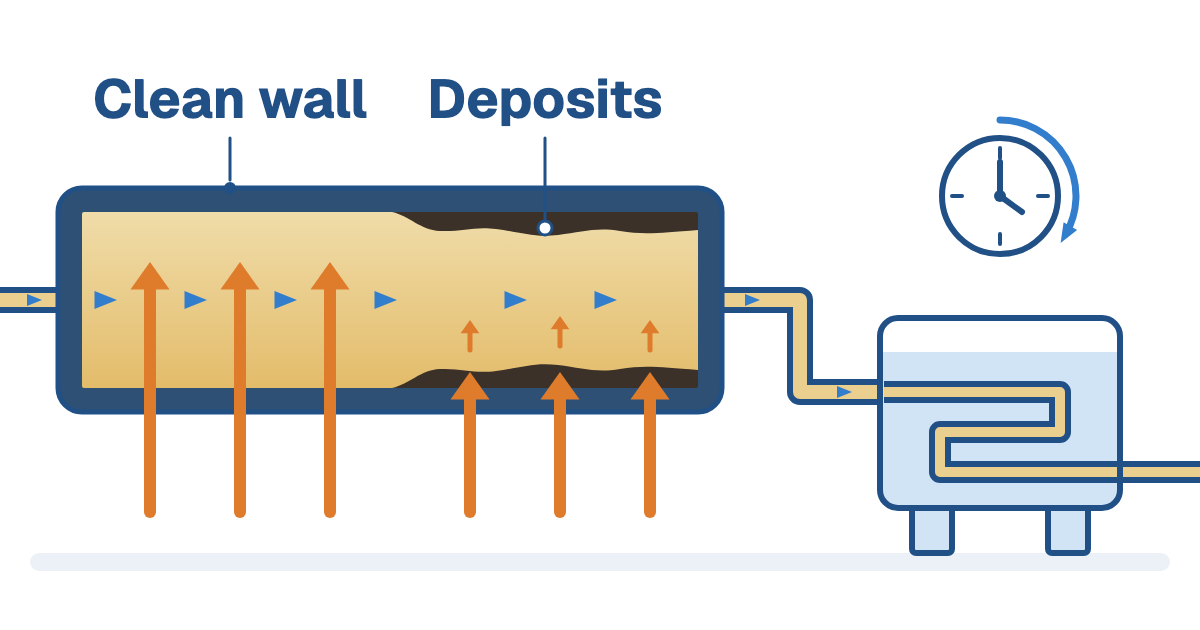
A thermal-fluid system carries heat from a heater to process equipment through circulating oil. The temperature measured in the moving oil is often called its bulk temperature. Close to the heated wall, a thin layer of oil experiences a higher temperature. This is the oil film.
The partner paper explains that reduced oil velocity can increase the temperature difference between that film and the bulk oil. The fluid can therefore experience more severe thermal stress than a bulk reading suggests. A familiar gauge value does not, by itself, rule out degradation at the heated surface.
That is why a request to raise the heater setting deserves a system review first. Establish the circulation and heat-transfer conditions against the equipment and fluid requirements. A higher setting does not explain restricted flow or restore a surface affected by deposits. Assess any proposed setting change against the manufacturer's requirements.
Ask what kind of degradation the tests show
The same word, degradation, can describe different changes in mineral heat-transfer oil. Thermal cracking breaks larger oil molecules into smaller ones under severe heat. It can lower viscosity, the oil's resistance to flow, and flash point, a measure relevant to the flammability of vapour released by the fluid. Oxidation involves reaction with oxygen and can increase acidity, viscosity and insoluble material.
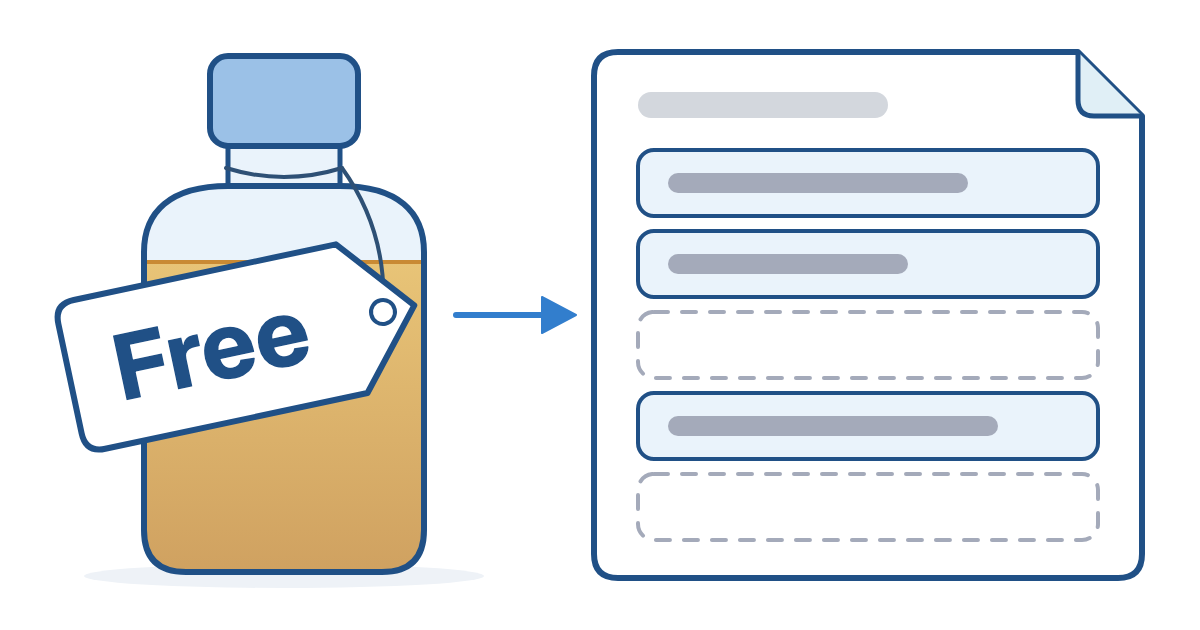
Those differences affect the investigation. A particle result alone cannot describe all the chemical changes, and a viscosity result needs context from the other tests. Ask for a scope designed for heat-transfer fluid, with the exact oil identity, previous results and operating history supplied to the laboratory.
| Evidence | Question it helps answer |
|---|---|
| Viscosity | Has the fluid's resistance to flow changed from its reference and earlier results? |
| Oxidation and acid number | Is there evidence of oxidation and increasing acidity? |
| Flash point, with its test method | Has the result changed in a way that needs investigation for thermal cracking? |
| Carbon residue or relevant insolubles testing | What evidence is there of degradation products associated with deposit formation? |
The source also includes water and metals in its analysis scope. Further testing may be needed to understand the fluid's breakdown products. Choose tests for the decision being made; the table is neither a universal package nor a set of acceptance limits. In particular, keep the flash-point method with the result because open-cup and closed-cup measurements are different tests.
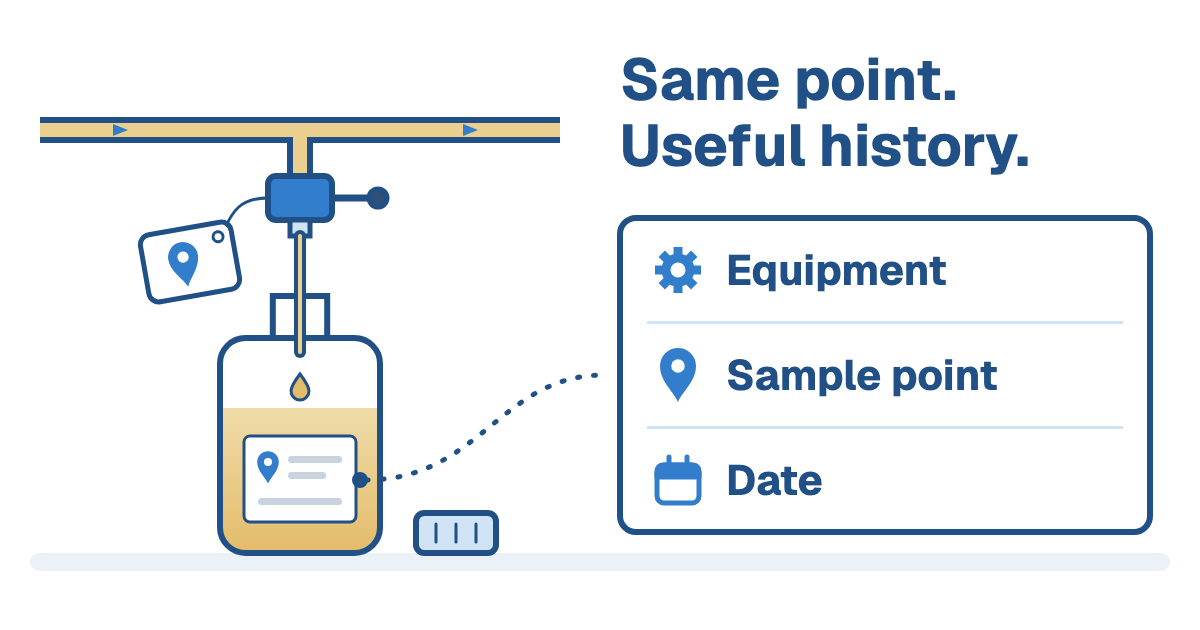
Sampling also needs to suit a hot-oil installation. Agree a representative location and the site's appropriate collection method with the responsible team and laboratory. A bottle without a clear sample location, fluid identity or operating context is a weak basis for a major maintenance decision.
Separate the fluid decision from the cleaning decision
Oil condition and system condition are connected, but replacing the fluid and removing deposits are different jobs. The partner paper describes severely degraded systems in which deposits complicate cleaning and oil removal. A proposal to drain and refill should therefore explain what will happen to deposits already present in the system.
Work through the cause before selecting the remedy. Equipment or circulation problems need the relevant mechanical review. Oil that no longer meets its requirements needs a fluid decision. Where deposits contribute to poor heat transfer, assess the cleaning or treatment method against the actual oil, system temperatures and equipment requirements.
A chemical treatment is not a repair for a mechanical fault. Nor should a cleaner used in another lubrication system be assumed suitable for a hot-oil circuit. Fluitec's training material sets application restrictions around the fluid and operating conditions. Confirm those details with the technical team before including any product in a work plan.
What the asphalt-plant example contributes
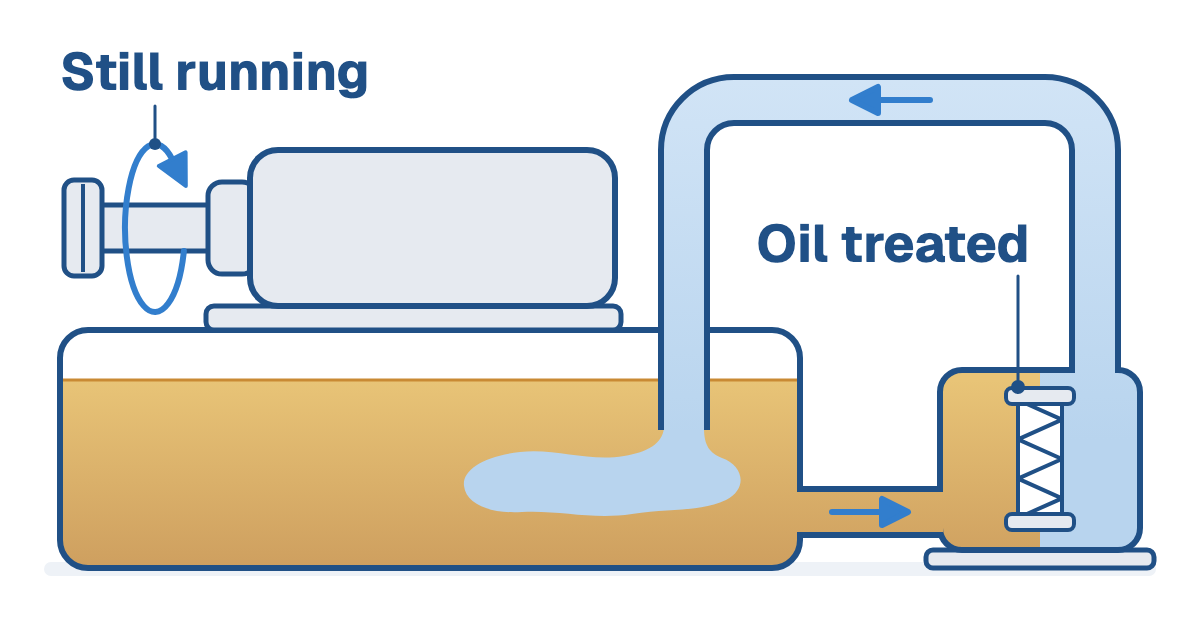
A 2024 paper by Fluitec and ExxonMobil describes an anonymous asphalt plant whose heat-transfer system struggled to maintain consistent thermal balance. Production slowed, and the account describes additional labour and component wear. The plant treated its in-service oil with Mobil™ Solvancer®, a product intended to increase the oil's ability to dissolve deposits.
The paper reports restored thermal balance after a few weeks and faster startups. Its account of more than six months of follow-up also describes oil-condition results that allowed the plant to avoid a full oil change. The documented result connects fluid treatment with the operating problem that mattered to the plant.
Read the documented asphalt-plant heat-transfer case for its context. Fluitec is a NATCOM technology partner. This is one partner-reported application, with results affected by operating and weather conditions. It supports investigating the oil's role; it does not establish a recovery time or a treatment specification for another installation.
Define recovery before starting the work
Agree what successful work must demonstrate. If slow startup triggered the investigation, retain a comparable startup record for the follow-up. If the concern includes oil degradation, agree the relevant tests and fluid requirements as well. A better laboratory result and a faster heating cycle answer different parts of the problem.
Record the intervention, any oil added or removed and changes to operating conditions. Follow the measurements over subsequent operation so the team can judge whether the improvement holds. A single improved sample does not establish that the whole system has recovered or that continued use is appropriate in every operating state.
Send NATCOM the fluid name, system and heater details, warm-up history, operating temperatures and previous oil reports. Our oil analysis service provides a starting point for reviewing the fluid evidence. Together with the operating records, that helps define the next investigation before money is committed to a replacement charge or a treatment that may not address the cause.

Frequently asked questions
Yes. Degraded heat-transfer oil can form deposits that reduce heat transfer. Slow heating can also involve circulation, heater or process conditions, so compare operating records with suitable oil tests before choosing treatment.
No. Oil beside a heated wall can be hotter than the circulating bulk oil, especially when local flow is reduced. A bulk temperature reading alone does not establish the highest thermal stress experienced by the fluid.
The scope can include viscosity, oxidation, acid number, flash point and carbon residue, with water, metals or further testing where relevant. Agree the package with the laboratory and fluid supplier, identify the test methods, and compare results with the correct fluid reference and history.
That depends on the cause. Replacement addresses the fluid charge, but deposits or a mechanical problem may need separate work. Assess the oil, system condition and cleaning requirements before assuming a drain and refill will restore performance.
Partner evidence describes treatment of a particular mineral-oil heat-transfer system during operation. That does not establish suitability for every fluid or installation. The actual oil, operating conditions, equipment requirements and treatment method need technical review before a plan is selected.