The machine has a vibration dashboard and automatic warnings. Does that mean it has the protection it needs? The answer depends on the engineered function, not on the word monitoring in the quotation.
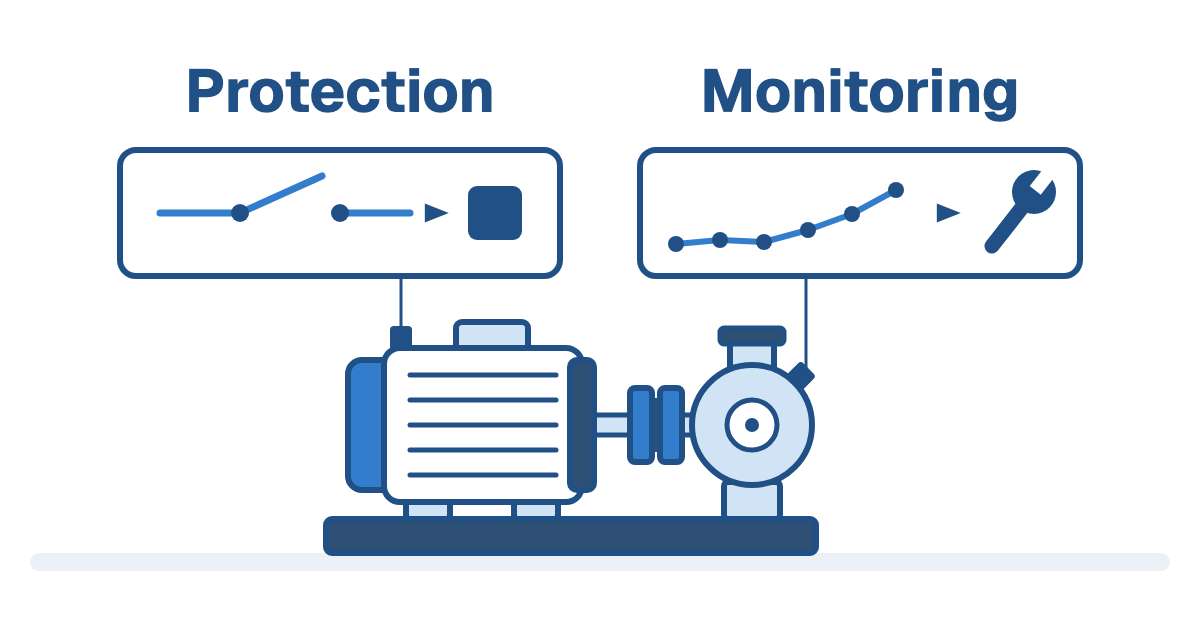
Machinery protection detects defined conditions and initiates the specified alarm or protective action. Condition monitoring develops evidence about machine health to support diagnosis and maintenance planning. One engineered system can support both purposes, but the responsibilities must be explicit.
Before replacing an older installation, adding wireless coverage or connecting a new analytics service, write down what the existing equipment actually does. Which signals drive a trip? Which are available only for analysis? Who owns the settings and the response? A dashboard that looks more informative can still leave a required protection function unaddressed.
Separate the operational decisions
A protection requirement concerns a defined response to a measured condition. The specification must identify the relevant machine parameters, action path and responsibilities. A condition-monitoring requirement concerns what evidence the maintenance team needs to understand a change and decide the next investigation or repair.
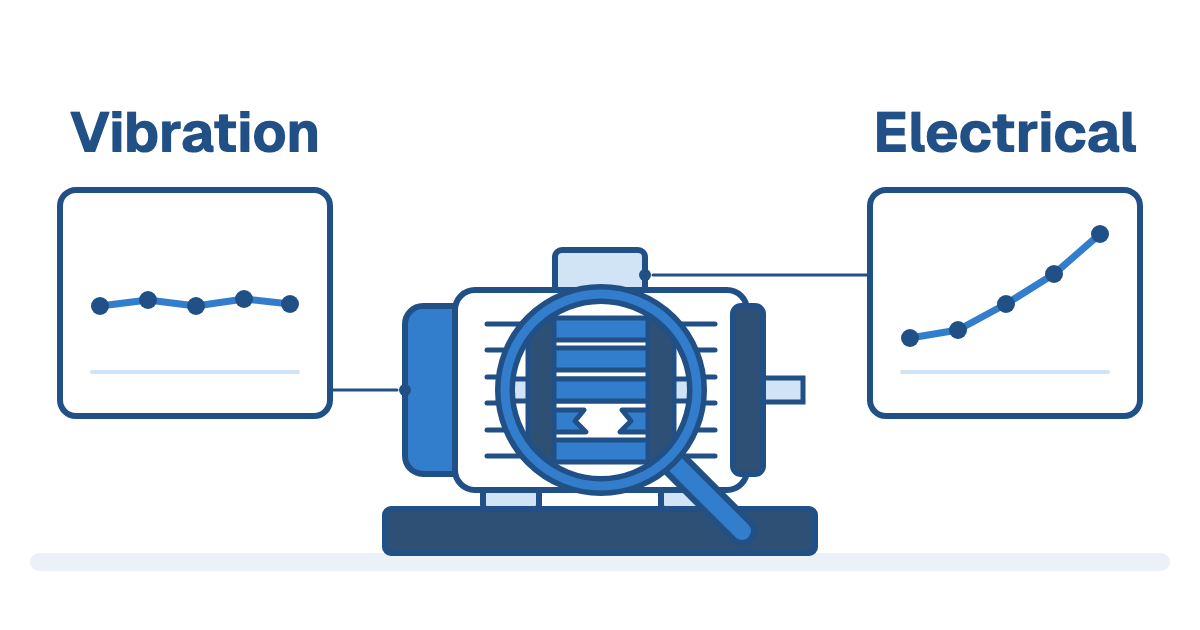
The overlap is useful. A vibration signal may supply both an alarm value and diagnostic detail. That does not make the two decisions interchangeable. Diagnosing a developing problem and executing a required protective action demand different acceptance evidence.
Baker Hughes' current monitoring-systems overview describes machinery protection as monitoring critical-asset vibration with alerts or shutdown when predetermined levels are exceeded. It describes condition monitoring as supporting longer-term health assessment and planned intervention. This is a distinction in system purpose, not a recommendation to buy that supplier or a claim about NATCOM's offered protection equipment.
Do not equate an alarm with a trip function
A mobile notification, an email, a display warning and a hardwired control action are different outputs. Ask the supplier to identify which one the proposal includes. Then trace the required action through the actual installation. What receives the signal, what initiates the response, and how will the site demonstrate that the chain works?
Also separate acquisition from notification. Schaeffler's September 2025 OPTIME brochure documents periodic sensor measurements, including six indicator acquisitions per day and a waveform every 24 hours. Those are useful condition-monitoring capabilities. The interval and a cloud warning do not, by themselves, establish an engineered shutdown function.
Do not turn that example into a rule that wireless equipment can never serve a protection application, or that wired equipment always does. The proposed model, architecture and verified application determine suitability. A cable, relay or online label alone does not establish the required performance.
Use protection signals for diagnosis where appropriate
Twave's case book includes a centrifugal-compressor application that took proximity-probe signals from buffered protection-system outputs for diagnostic monitoring. A buffered output provides access to an existing measured signal for another instrument. The documented arrangement used that signal for analysis alongside the protection installation.
The practical lesson is to review the existing instrumentation before adding duplicate sensors. Signal availability, compatibility and the effect of any connection need an engineering check. Do not modify a protection circuit simply because another instrument can accept the same sensor type.
That vignette documents one diagnostic arrangement. It gives no complete protection design, functional-safety validation or authorization to copy the connection onto another machine. The article therefore makes no compliance claim and does not identify a product as an approved shutdown solution. Applicable requirements need review for the actual asset.
Write two clear acceptance scopes
For protection, ask for the required measured parameters, sensors, configured action, interface responsibilities and the records that demonstrate the function. Include how the site manages faults, testing and changes to the installation. The responsible engineering team should settle these requirements before an equipment comparison.
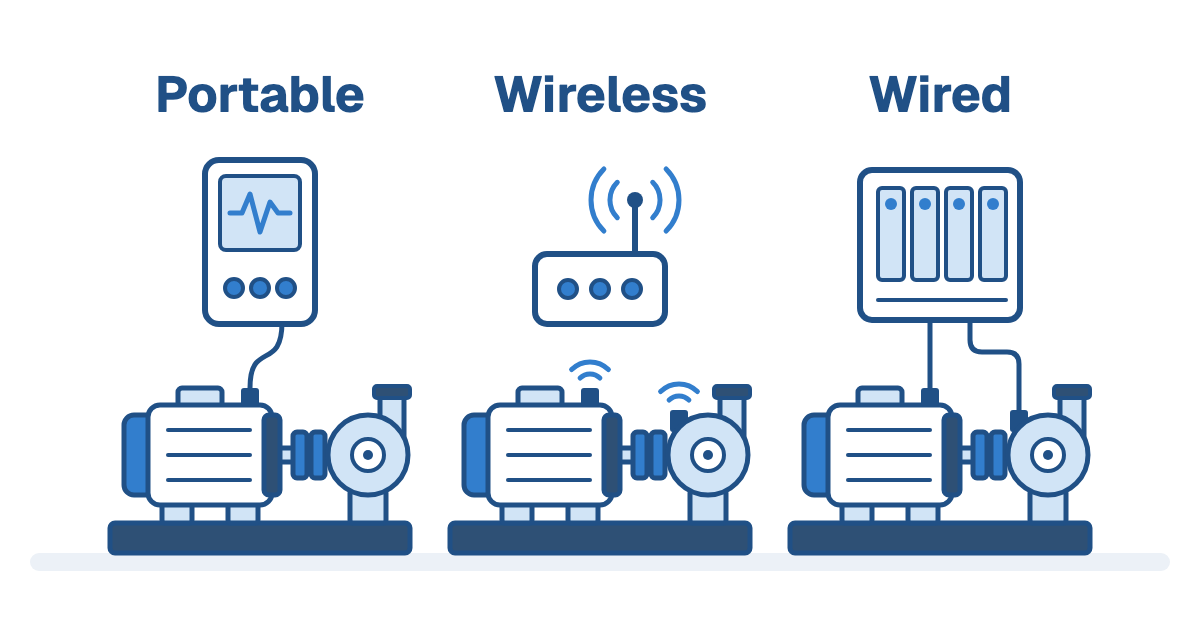
For condition monitoring, specify the locations, operating information, summary trends and diagnostic data the analyst needs. Record who reviews each warning, how a suspected defect is confirmed and how the completed repair will be checked. The monitoring-method comparison helps connect those data requirements to portable, wireless and wired arrangements.
Keep the two scopes visible in a replacement project. If a proposal changes only diagnosis and data access, say so. If it changes a protection function, identify the engineering and acceptance work associated with that change. This prevents procurement from comparing a monitoring subscription with an existing protection installation as though their duties were identical.
Bring the existing design to the discussion
Prepare the machine list, existing sensor and instrument schedule, relevant control drawings, alarm and trip responsibilities, and the symptoms that prompted the enquiry. Add the available trends and records of recent work. These details let the assessment begin with the real installation rather than an assumed system.
NATCOM can discuss the vibration-monitoring scope and the evidence needed for diagnosis. Any request concerning a protective function should identify that function explicitly so the required engineering scope can be assessed. Do not remove, bypass or replace an existing protective function on the strength of a condition-monitoring comparison.

Frequently asked questions
Protection initiates the specified alarm or protective action for defined measured conditions. Condition monitoring supplies machine-health evidence for diagnosis and maintenance planning. A system may support both, but each function needs an explicit scope.
No. A display warning or remote notification does not establish a shutdown function. Confirm the configured outputs, action path, engineering responsibilities and acceptance records for the installation.
Sometimes. Twave documents diagnostic acquisition from buffered protection-system signals in one compressor application. Suitability and any proposed connection need review for the actual installation.
No. Wiring describes the connection. Protection suitability depends on the proposed equipment, architecture, required action and verified application.
No. Current applicable requirements, equipment suitability and any compliance claim must be checked for the actual machine and engineered system.