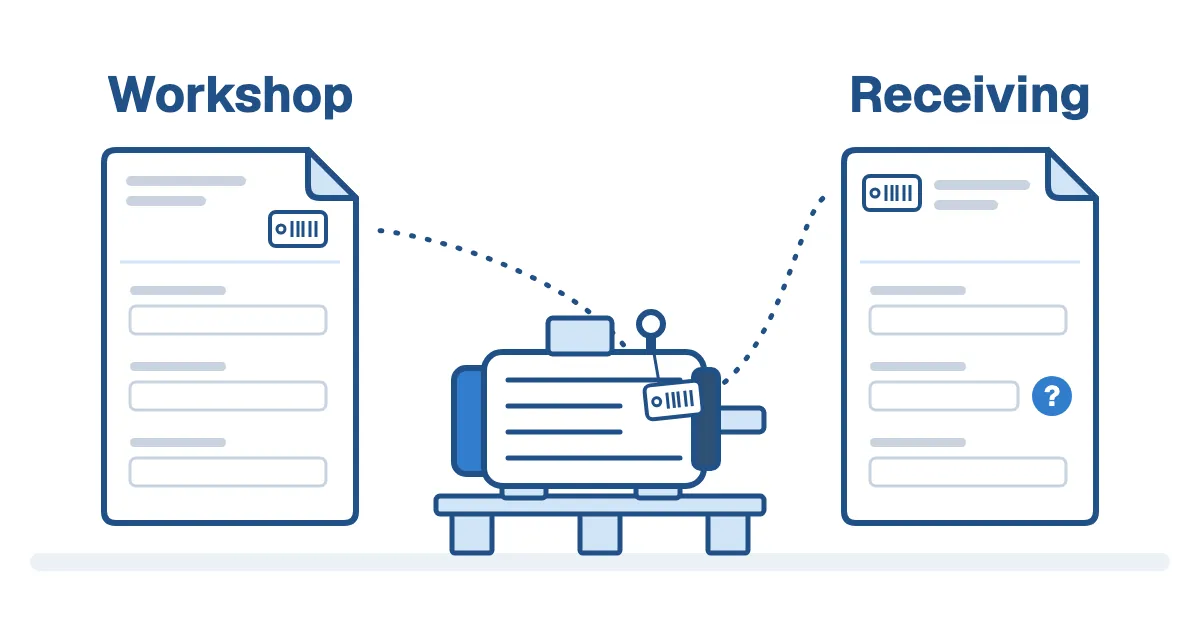
A repaired motor arrives with a workshop test sheet and an urgent installation date. The sheet says the repair is complete. What does the receiving team need before accepting the motor and returning it to service?
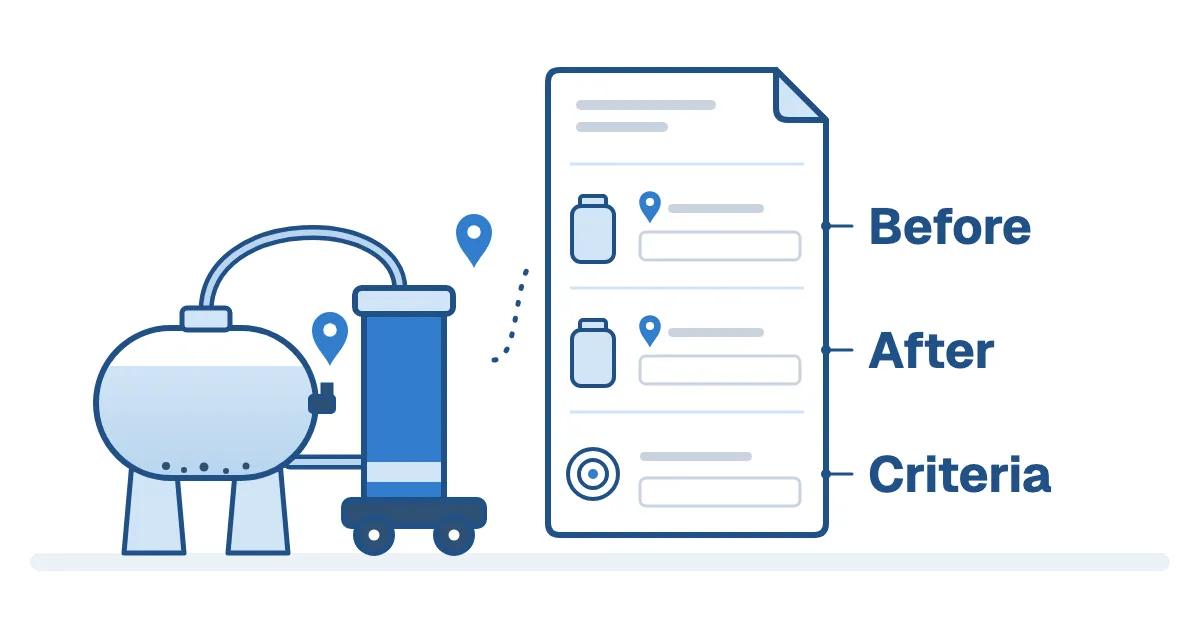
Start with the original fault, the work actually performed and the acceptance criteria agreed for that motor. Request measurements that answer those questions, with enough setup information to compare the results. Then define how installation and representative operation will establish the next baseline.
The best time to settle this is when the repair is ordered. If nobody defines acceptance until the motor is beside the machine, maintenance and procurement may be left negotiating over an unexplained pass statement while production waits.
Put the original concern in the repair order
Give the repairer the fault history and the evidence behind the removal decision. Identify what must be investigated, what work is authorized and which findings require discussion before the scope changes. The repair report should close that loop by explaining what was found and how the work addressed it.
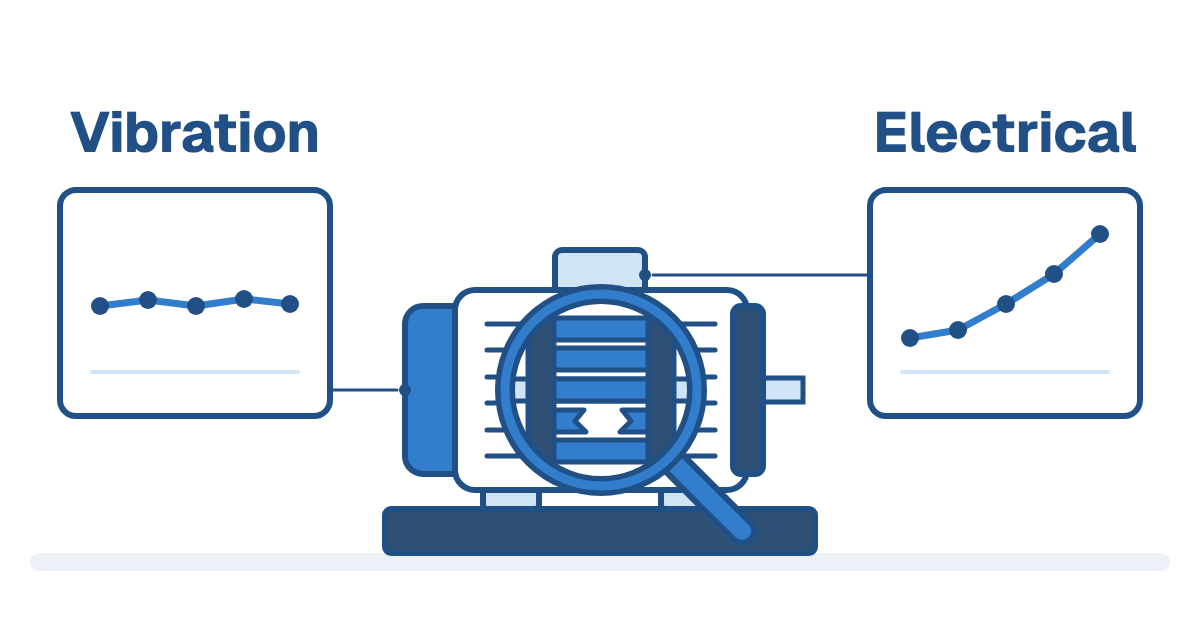
Suppose a motor was removed because a repeatable electrical finding remained unresolved. A report of satisfactory running vibration at the workshop may still be useful, but ask how the original electrical concern was assessed. Do not let a different satisfactory test silently become the explanation for the removal.
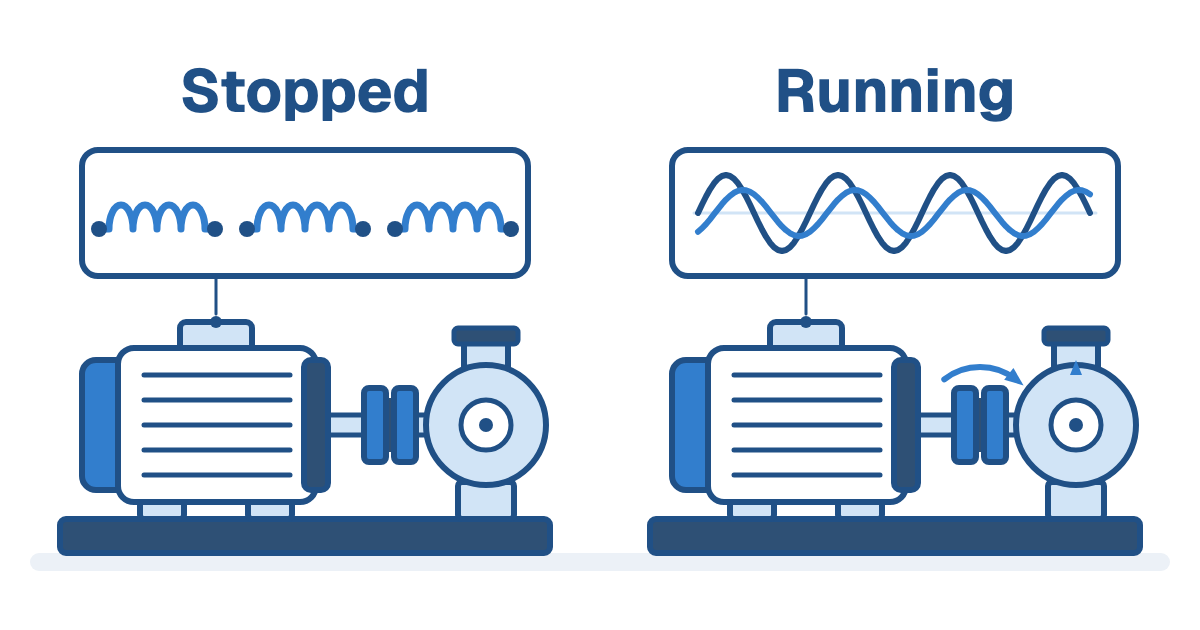
The online and offline motor-testing guide explains the different questions those methods address. Use it to discuss the test plan with the responsible specialist, rather than request an identical list of tests for every repair.
Make the results identifiable and comparable
Ask the workshop to identify the motor, its relevant configuration, the tests performed and the results against the agreed criteria. Retain the method, test points and conditions needed to interpret each measurement. Where temperature affects the comparison, request the relevant temperature record and the stated treatment of that difference.
Keep actual readings alongside the acceptance conclusion. A row marked pass does not help the receiving engineer resolve a later disagreement if the measured values and method are absent. Equally, different reported numbers need an explanation before they can be called evidence of a bad repair.
For a disputed finding, compare the instrument setup, connections, units and conditions first. Then agree an appropriate confirmation measurement. This gives both parties a way to resolve the question without turning the first disagreement into an immediate acceptance or rejection.
A historical acceptance check changed a repair specification
In a published historical paper, engineers from Eastman Chemical Company describe offline testing of repaired motors to check the work and establish a baseline. One example involved a 125 hp motor whose workshop sheet reported identical phase resistance readings and no resistance unbalance.
Eastman's analyzer instead found 5.1% resistance unbalance. The team repeated the measurement with a bridge ohmmeter and obtained a similar result. When workshop personnel retested the motor at Eastman, their bridge measurement found 7% unbalance.
The paper describes further investigation and says Eastman added resistance-unbalance requirements to its repair specification. It does not identify the analyzer supplier, state the eventual repair action or provide a return-to-service outcome. The useful lesson is the acceptance process: retain readings, check a disputed result and use the finding to improve the written requirement.
Neither percentage should become a universal pass/fail threshold for your motors. Agree applicable criteria with the responsible engineering parties using current requirements, the motor's design and the test method. The account documents one historical comparison, not a general defect rate for repaired motors.
Decide what needs verification before installation
Separate workshop evidence from checks that need to be completed on receipt. Ask which findings can be resolved before the motor is installed and what documents or measurements the receiving team needs to make that decision.
This is especially important when installation access is difficult or a later test would require another outage. A short review of the supplied evidence before mobilization can identify a missing result while the repairer can still respond without disrupting the installation plan.
If a discrepancy remains, record the exact question and the agreed next step. Acceptance should be supported by a decision the team can explain, rather than by the pressure to clear the receiving area or the assumption that a fresh coat of paint represents completed technical verification.
Keep installed-machine checks as a separate stage
A workshop result describes the tested motor under the recorded conditions. The installed machine introduces the site supply, connections, coupling, driven equipment and actual operating duty. Define the commissioning checks and baseline needed for that arrangement within the site's approved procedures.
Record the first representative operating measurements with load, speed, drive details and any constraints on the test. Retain them with the workshop and receiving records. A later analyst should be able to distinguish a workshop value from an installed operating result.
The motor-assessment article explains why normal vibration does not settle every electrical concern. The reverse applies to the acceptance process too: satisfactory electrical evidence does not close an unresolved mechanical or installation finding.
Order a report the next maintenance team can use
A useful handover connects the original fault, inspection findings, work performed, acceptance measurements, open items and installed baseline. Ask who owns any outstanding action and when its evidence will be reviewed.
Bring the existing repair specification and a recent workshop report to NATCOM for a discussion of the diagnostic scope. Start by checking whether another engineer could use those records to understand what was repaired and why the motor was accepted. If the record cannot answer that, improve the acceptance requirement before the next repair order.

Frequently asked questions
Review what it covers against the agreed repair and acceptance scope. Request identifiable measurements and the information needed to interpret them, especially for the original fault.
Compare motor identity, connections, methods, units and relevant conditions, then agree suitable confirmation testing. A disagreement needs investigation before either result is dismissed.
No. Those are observations from one historical account. Agree applicable acceptance criteria for the motor and method using current requirements.
No. Define which checks establish the installed baseline and address the actual supply, connections, coupling, driven equipment and operating conditions.